For more than 70 years, Foster Windows & Doors has been South Florida’s trusted family-owned leader in window and door replacement. From Miami to Palm Beach, our reputation has been built on craftsmanship, honesty, and reliability. As a third-generation local business, we understand what South Florida homes truly need — energy efficiency, hurricane protection, and timeless curb appeal.
Now, with the Florida PACE Program, homeowners and property managers can make essential home upgrades without the financial strain of upfront costs. Through this innovative financing option, you can install high-quality, impact-resistant windows and doors with $0 down and flexible, low-interest payments conveniently added to your property taxes.
What Is the Florida PACE Program?
PACE — Property Assessed Clean Energy — is a state-approved program designed to make energy-efficient and storm-resistant home improvements affordable and accessible. Instead of requiring credit checks or high-interest financing, approval is based on home equity, not income or credit score. That means you can upgrade your home now and pay over time while immediately enjoying the benefits of comfort, safety, and lower utility bills.
Key PACE Program Benefits:
No upfront costs — start your project with $0 down.
Easy approval — no credit check required.
Improved home value and efficiency — enjoy better insulation and energy savings.
Transferable upon sale — financing stays with the property, not the owner.
Fast approval and installation process — get your project started quickly.
Services That Qualify for PACE Financing
At Foster Windows & Doors, we’re a proud, PACE-approved contractor, offering installations that improve both the beauty and resilience of your home:
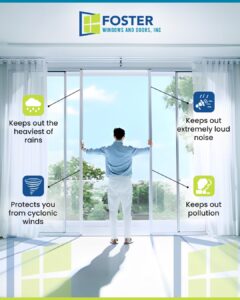
Impact Windows & Doors – Save energy, reduce noise, and protect against hurricanes.
Sliding Glass Door Upgrades – Sleek, secure, and easy to maintain.
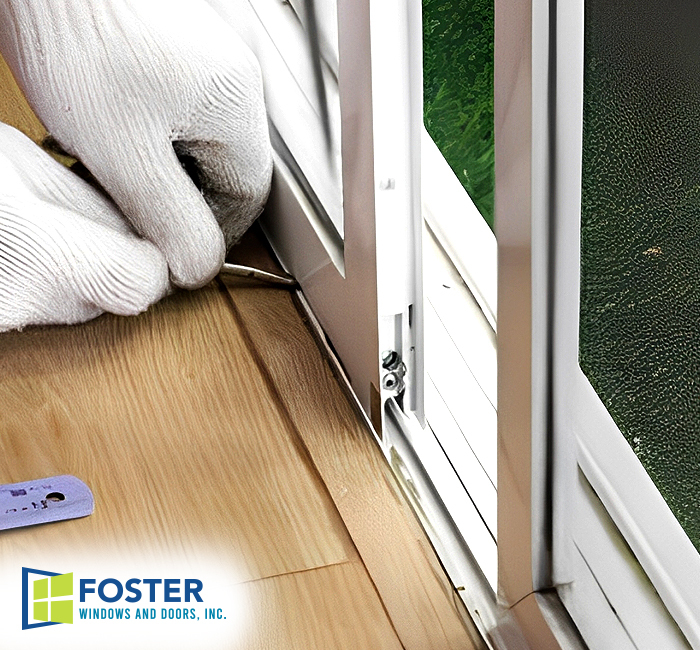
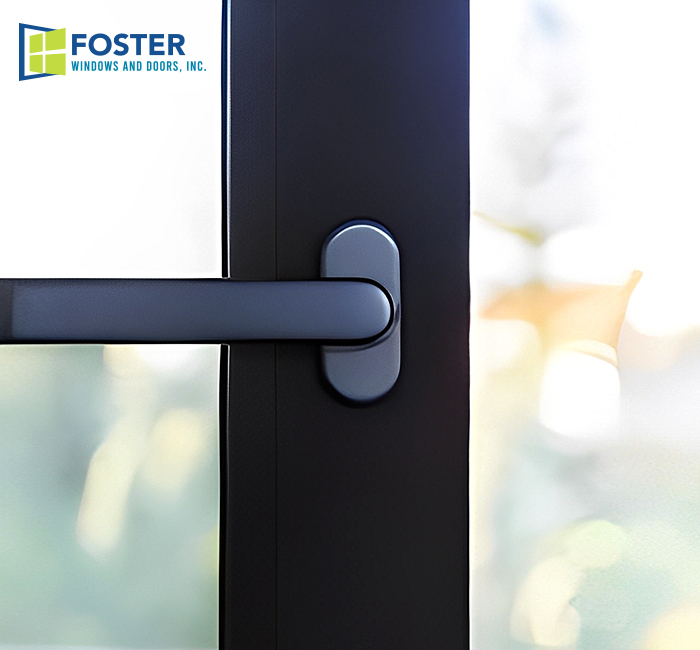
Window Repairs & Hardware Replacement – Extend the life of your current windows with expert restoration.
Every Foster installation meets the highest standards of quality and performance. Our certified team ensures that your upgrade is seamless, from permit approval to inspection.
Why Choose Foster Windows & Doors?
When you choose Foster, you’re choosing more than a contractor — you’re joining a family legacy of service that spans seven decades. Our team’s local expertise means we understand the demands of Florida weather, building codes, and the lifestyle of our coastal communities. We make the entire process smooth and worry-free, combining old-fashioned customer care with modern precision and efficiency.
As you plan your home goals for the new year, now is the perfect time to invest in long-term comfort, safety, and value. With $0 down through Florida PACE, you can start your project today, enjoy immediate upgrades, and pay gradually over time — all while increasing your property’s worth and lowering energy costs.
Get Started Today
Don’t wait for another storm season or another year of high utility bills. Discover how easy it is to transform your home with Foster Windows & Doors and the Florida PACE Program. Follow us onIG.
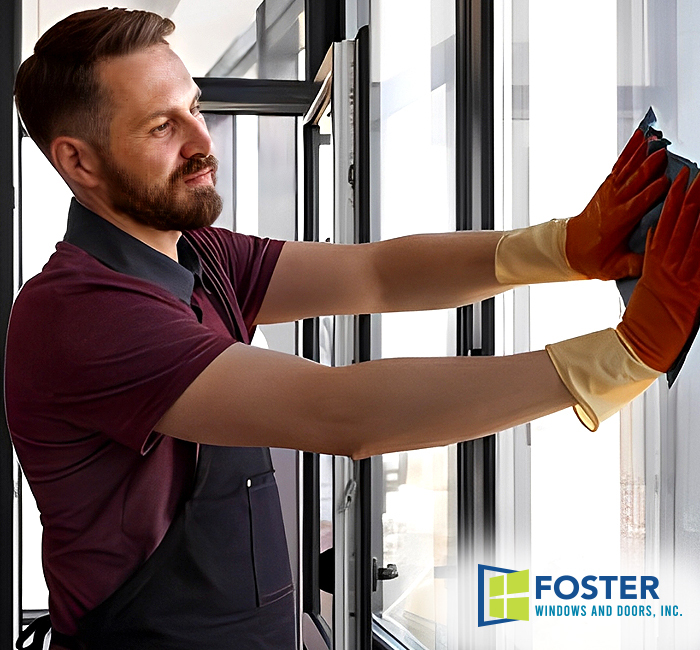
Crystal-clear windows don’t just elevate your view — they completely transform the feel of your home. The secret to streak-free shine isn’t just elbow grease, but a combination of the right tools, expert techniques, and professional-grade glass care. From squeegees and microfiber cloths to the perfect cleaning solution that cuts through grime without residue, washing like a pro helps maximize your natural light and boost curb appeal instantly.
Steps:
1. Fill bucket with clean water and add a small amount of liquid dishwashing detergent.
2. Wipe down the exterior window frame using a wet terrycloth rag.
3. Dip a window scrubber into the water bucket and then wring out the excess water.
4. Clean the glass with the scrubber to remove all dust and dirt.
5. Wipe the window glass dry with a rubber squeegee. Hold the edge of the squeegee at approximately 30 degrees to the glass, then make a horizontal pass across the window.
6. Use a terrycloth rag to wipe the squeegee dry after every pass.
7. If you’d prefer to wipe down vertically, start by using a dry cloth or end of the squeegee to create a dry edge along the top of the window glass.
8. Next, place the squeegee on the dry edge and pull straight down, cleaning the glass.
9. Use a micro-fiber towel to wipe down the glass one last time.
10. To clean windows with divided lites (panes), use the scrubber to first wash the glass, and then squeegee the glass clean. Only this time, hold a terrycloth rag against the bottom end of the squeegee to catch water and protect the wood muntins.
11. When cleaning windows from inside the house, drape a canvas drop cloth on the floor to catch any water.
12. Pour cleaning solution (water mixed with liquid dishwashing detergent) into a plastic spray bottle, then spray the interior surfaces of the window.
13. Immediately after spraying, clean the glass with a terrycloth rag, followed by a quick wipe down with the micro-fiber towel.
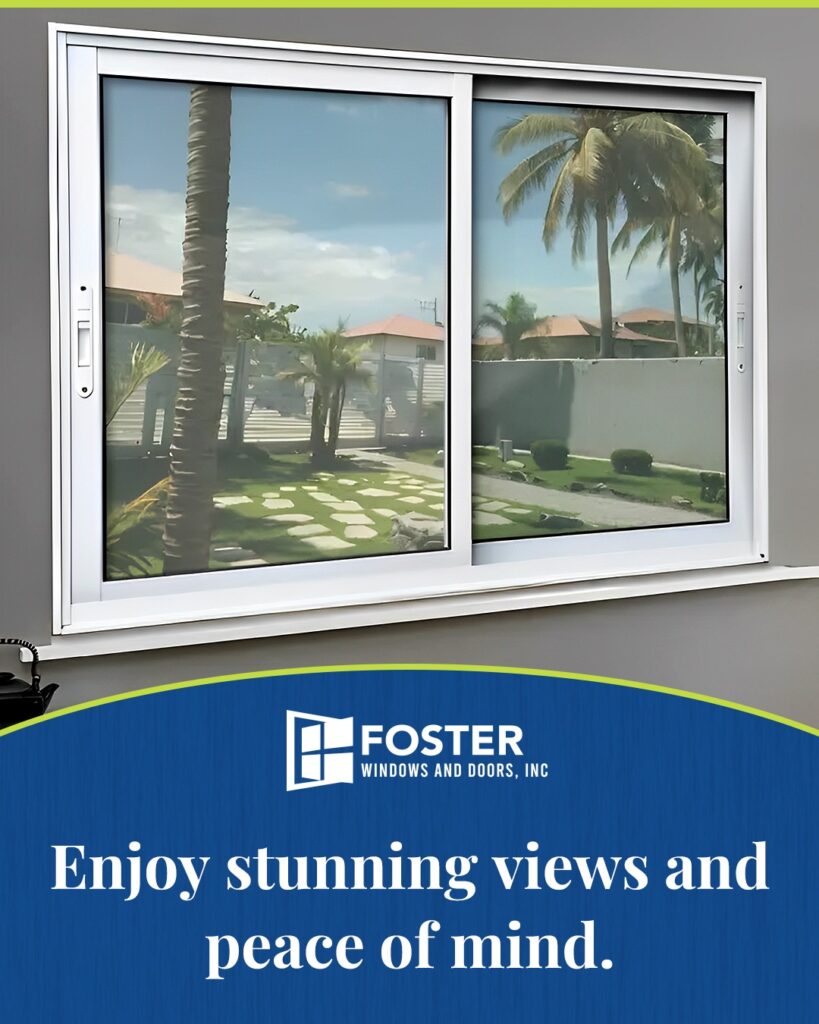
But even the cleanest glass can’t compete with the performance and beauty of professionally installed, high-quality windows. That’s whereFoster Windows & Doorscomes in — a family-owned business serving Broward and Palm Beach counties for over 70 years. We specialize in impact-resistant, energy-efficient windows and doors that not only brighten your home but also protect it against South Florida’s toughest storms. Our team even handles hurricane glass repairs, ensuring your property stays secure and your investment lasts.
✨ Ready to upgrade your view and your peace of mind? Call 954-566-6524 or visitfosterwindowsanddoors.com to schedule a consultation today. Experience the craftsmanship, service, and local trust that have made Foster a South Florida favorite for generations — and follow us onInstagramfor home inspiration and upgrade ideas!
For homeowners in South Florida, condensation on windows isn’t just inconvenient—it’s a problem that can lead to mold, rotting frames, and even long-term damage to your home’s air quality. The humid climate makes it even more important to choose windows that can withstand moisture and protect your home year-round. At Foster Windows and Doors, we’ve been helping families solve these challenges for over 75 years with products designed to handle Florida’s unique environment.
As a proud family-owned business, we’ve built our reputation on integrity and care for the communities we serve. Our experienced team knows how frustrating foggy glass and water damage can be, and we’re here to recommend and install windows that not only look great but also perform under pressure. Whether you’re upgrading a single room or outfitting your entire home, Foster brings fresh solutions backed by decades of expertise.
Window condensation happens when there’s a significant temperature difference between the inside and outside of your home. While some condensation is normal, excessive moisture can be problematic. This guide explains the causes of window condensation, identifies its sources, and teaches how to keep your windows clear.
What Causes Window Condensation?
Condensation forms on windows when warm, moist air comes into contact with a cooler surface. This temperature difference causes water vapor in the air to condense into liquid droplets on the glass. In homes, this often happens when indoor humidity levels are high and outdoor temperatures are low, creating the perfect conditions for condensation to occur.
Identifying the Source of Condensation
There are three main sources of window condensation, all of which indicate different issues. Here’s how to recognize them.
External Condensation
External condensation forms on a window’s outer surface and is generally not a cause for concern. This type of condensation is similar to dew forming on grass in the morning. It typically occurs when the outside air is warmer and more humid than the window’s surface temperature.
Internal Condensation
Internal condensation appears on the window’s inside surface and is often a sign of excess humidity within your home. This type of condensation is more common during colder months when indoor air is warmer and more humid than the cold air outside.
Between-Pane Condensation
If you notice condensation between the panes of your double- or triple-glazed windows, this indicates a seal failure. The insulating gas between the panes has escaped, allowing moisture to enter. This type of condensation cannot be wiped away and requires professional attention.
Dangers of Window Condensation
While some condensation is normal, excessive window moisture can lead to several problems if left unchecked.
Mold and Mildew Growth
High humidity levels and persistent moisture create an ideal environment for mold and mildew to thrive. These fungi can grow on window frames, sills, and surrounding walls, potentially causing health issues for occupants and damaging your home’s structure.
Damage to Window Frames and Surrounding Areas
Constant exposure to moisture can cause wooden window frames to warp, rot, or develop mold. In severe cases, the excess moisture can seep into walls, leading to paint peeling, wallpaper damage, and even structural issues if left unaddressed for extended periods.
Preventing External Window Condensation
While external condensation is generally harmless, there are ways to minimize its occurrence if it’s bothersome.
Natural Solutions
One of the simplest ways to reduce external condensation is to allow for better air circulation around your windows. Trim back any vegetation that may be blocking airflow, and make sure your gutters and downspouts are clear to prevent excess moisture near your home’s foundation.
Using Water Repellents
Applying a water repellent to your windows’ exterior can help prevent condensation from forming. Products such as Rain-X, typically used on car windshields, can also work on home windows. These treatments encourage water droplets to bead up and roll off the surface rather than clinging to the glass.
Managing Indoor Humidity Levels
Controlling indoor humidity is key to preventing internal window condensation. Understanding ideal humidity ranges and how to measure them is key to maintaining a comfortable and healthy home environment.
Ideal Humidity Ranges
Your home’s ideal relative humidity varies by season. According to the U.S. Environmental Protection Agency (EPA), you should aim for 30%–40% in winter and 40%–50% in summer. Maintaining these levels helps prevent condensation while ensuring comfort and avoiding issues related to overly dry air.
How To Measure Indoor Humidity
You can measure your home’s humidity levels using a hygrometer, an inexpensive device available at most hardware stores. Many modern thermostats also include built-in humidity sensors, making it easy to monitor levels throughout your home.
Strategies To Reduce Indoor Window Condensation
These strategies help lower indoor humidity levels and reduce window condensation on the inside of your windows.
Adjusting Humidifier Settings
If you use a humidifier, especially during winter, make sure it’s set to the ideal humidity levels mentioned earlier. This simple step can significantly reduce window condensation.
Improving Air Circulation
Good air circulation helps distribute moisture evenly throughout your home, reducing the likelihood of condensation forming on cool surfaces such as windows. Use ceiling fans or portable fans to keep air moving, especially in rooms prone to high humidity.
Proper Ventilation Techniques
Proper ventilation is crucial for controlling indoor humidity. Use exhaust fans in bathrooms and kitchens when showering or cooking to remove excess moisture. Consider installing a radon mitigation system, which can also help improve overall home ventilation.
Relocating Moisture-Producing Items
Keep plants, firewood, and other moisture-producing items away from windows. These items release moisture into the air, which can contribute to condensation when near cooler surfaces such as windows.
Dealing With Window Condensation in Specific Rooms
Some rooms in your home are more prone to condensation due to their functions. Here’s how to address condensation in these areas.
Kitchens
Cooking generates a lot of moisture. Use your range hood or exhaust fan when cooking, and open windows if the weather allows. Covering pots and pans while cooking can also help reduce moisture release.
Another overlooked area is the refrigerator. Sometimes the condensation within the fridge can also contribute to the overall humidity in the kitchen. Check that your fridge door seals properly and avoid keeping it open for long periods.
Bathrooms
Bathrooms are naturally humid environments. Run the exhaust fan during and after showers, and keep the bathroom door open when possible to allow moisture to dissipate. Consider using a squeegee on shower walls and doors to remove excess water after use.
In addition to the exhaust fan, periodically check for leaks in faucets, showerheads, and under sinks. Even small leaks can contribute to higher humidity levels in the bathroom.
Basements
Basements are often cooler and more humid than the rest of the house. Use a dehumidifier to control moisture levels, ensure proper ventilation, and address any water leaks or seepage issues promptly.
Check the basement walls and floor for any signs of water ingress. Sometimes, water can seep through basement walls due to poor drainage outside. Invest in proper drainage solutions and waterproofing measures if needed.
Bedrooms
While not as commonly affected, bedrooms can also experience condensation, especially during colder months. Ensure that bedrooms are well-ventilated, and avoid using humidifiers unless necessary. Regularly open windows to allow fresh air to circulate.
Bedding and mattresses can also trap moisture. Ensure you regularly wash and air out bedding, and consider using dehumidifying products such as silica gel packs in wardrobes and drawers to help manage moisture levels.
Tools and Products To Prevent Window Condensation
Several tools and products can help you manage humidity levels and prevent window condensation.
Dehumidifiers
Dehumidifiers are effective at removing excess moisture from the air. They’re particularly useful in basements, laundry rooms, and other areas prone to high humidity.
Look for dehumidifiers with built-in hygrometers to monitor humidity levels. Some advanced models automatically adjust their operation based on the detected humidity, ensuring optimal performance.
Moisture Eliminators
Products such as DampRid use moisture-absorbing crystals to reduce humidity in small spaces. These can be effective in closets, bathrooms, and other enclosed areas. Consider using silica gel packs for smaller spaces. They serve a similar purpose and can be dried in an oven and used again.
Exhaust Fans
Installing and regularly using exhaust fans in kitchens and bathrooms can reduce moisture-laden air. Make sure your fans vent to the outside, not into an attic or wall cavity.
Check the capacity of your exhaust fans. A fan that’s too small for the space won’t effectively remove moisture. Upgrading to a more powerful fan can make a difference in managing humidity levels.
When To Seek Professional Help
While many condensation issues can be resolved with do-it-yourself (DIY) methods, some situations require professional treatment.
Signs of Seal Failure
If you notice condensation between the panes of your double or triple-glazed windows, this indicates a window seal failure. This requires professional repair or window replacement, as the window’s insulation isn’t performing as it should.
Window Replacement Considerations
If your windows are old, single-paned, or consistently problematic, it might be time to consider replacement. Modern, energy-efficient windows can significantly reduce condensation issues while improving your home’s overall energy performance. Consider sealing your windows for winter to improve their performance in the short term.
Mold Remediation
Professional mold remediation may be necessary in cases where mold and mildew have become significant due to persistent condensation. Mold can pose severe health risks, and it’s essential to handle it correctly to prevent recurrence.
Tired of living with condensation and costly repairs? Let Foster Windows and Doors—South Florida’s trusted, family-owned experts—help you protect your home with durable, high-performance windows that keep the moisture out. We even fix hurricane glass! Call us today at 954-566-6524 to schedule a consultation and get more inspiration from our community onInstagram.
Windows do more than bring in natural light—they influence the comfort, efficiency, and overall look of your home. The right windows can brighten your space, lower your energy bills, and complement your home’s architecture, while the wrong choice can lead to drafts, higher utility costs, and even safety concerns. That’s why selecting the right style and material for your climate, budget, and design goals is so important.
When it comes to South Florida living, durability matters just as much as style. Impact windows not only add beauty and insulation but also provide critical protection against hurricanes, strong winds, and intruders. Choosing high-quality windows tailored to your home ensures year-round security, comfort, and peace of mind—all while enhancing curb appeal and long-term property value. At Foster Windows & Doors, we guide you through every option so you can make the best investment for your home.
Windows play an integral role in shaping a home’s look and feel, functionality, and energy efficiency. From traditional sash windows to modern sliding windows, each type offers its own unique benefits and design possibilities. They can also be used to influence the architectural design style of both the interior and exterior of your home.
Whether you are renovating your current home or planning a new construction project, knowing what types of windows are available and understanding the individual features and advantages of each can help you make informed decisions that enhance the beauty and functionality of your living space.
Casement Windows
Casement windows are hinged on one side of the frame and open outwards. They can be installed as single or double windows within the same frame. Casement windows open with a crank, lever, or cam handle, and can be opened all the way or propped open at different angles using a metal bar known as a casement stay. This can prevent the window from being blown shut by the wind and allows you to optimize and control the level of ventilation. These types of windows are popular for their high energy efficiency due to their tight seal, as well as their aesthetic versatility and low maintenance. However, they come at a cost; they are one of the most expensive window types. They also have fewer size options, which can be restricting.
Casement Window
Sash Windows
A sash window, also called a hung window, consists of two framed windows, with either one (single hung) or two (double hung) moveable panels called sashes. These windows sit in frames with vertical grooves that allow the window to open vertically. The windows stay open by counterbalances (typically made from weights on cords and pulleys) that are either hidden within the frame or tucked into the inside of the window. Double-hung windows can open at the top and bottom, providing a good convection flow of air that effectively cools and aerates a room.
Traditionally made from timber, sash window frames are now available in uPVC and aluminum. They are generally inexpensive, but the cost varies depending on the material and size of the window. These types of windows are characteristic of Georgian, Edwardian, and Victorian buildings, so they are often featured in traditional architecture and design. Though they may look the part, they’re not considered the most energy-efficient window type. To increase their efficiency, apply draft-proof strips and opt for double-glazing.
Architectural Window
Bay and Bow Windows
Bow and bay windows are characterized by their protrusion past a building’s exterior wall, creating a beautiful architectural feature and additional interior floor space. Bay windows typically consist of three large windows and are angular, while bow windows have four to six windows that create a curved shape. In addition to providing extra square footage, these window types maximize the amount of natural light in a room and boost curb appeal, increasing the property’s value. Unsurprisingly, bay and bow windows are more complicated to install than other window types, and this, combined with the increased number of windows, makes them more expensive to install and dress.
Pivot Windows
A pivot window opens and closes with a rotating mechanism mounted on a horizontal axis in the center of the frame. This type of window lets air in from both sides, providing optimal airflow, and its full rotation makes it easy to clean and maintain. This innovative modern design is typically used in contemporary architecture where a clean and minimalist aesthetic is desired. Due to the pivot system’s mechanics and the window’s weight, pivot windows tend to have limited size options, so consult with a window manufacturer for bespoke sizes.
Sliding Windows
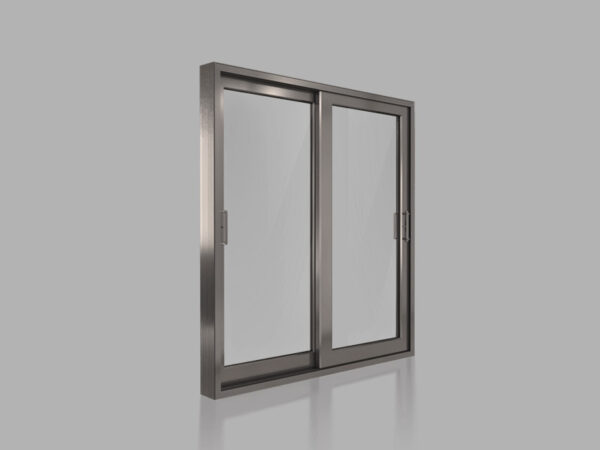
Sliding windows are like sliding patio doors but on a smaller scale; one or more windows move horizontally on a track and stack one in front of the other. They look and work best for expansive horizontal windows, especially if you have a fantastic view, as they can stack neatly to one side, framing what lies beyond. Well-designed sliding windows are space-saving and create a clean, modern look. They are also one of the most cost-effective window types and provide great versatility when ventilating the space. Pay attention to the contact point between the sliding sashes when the window is closed because some sliding windows aren’t very good at blocking drafts.
Awning Windows
Awning windows are hinged at the top and open outward like an awning—hence the name. They open manually or with a crank, and tend to hold a higher functional value than aesthetic. The clever design allows for ventilation come rain or shine, keeping water and debris out and allowing only fresh air in. These windows are popular in urban environments as they are challenging to break into, allowing you to ventilate your home safely.
Awning Window
Transom Windows
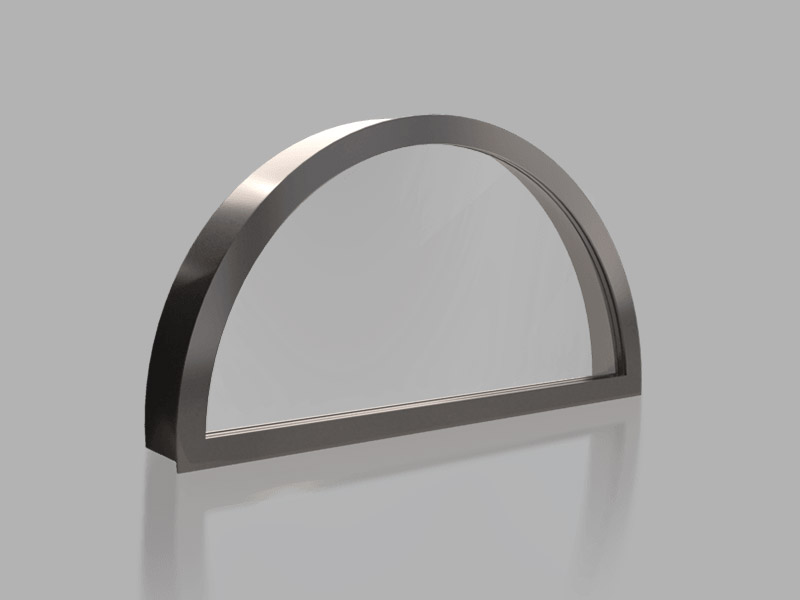
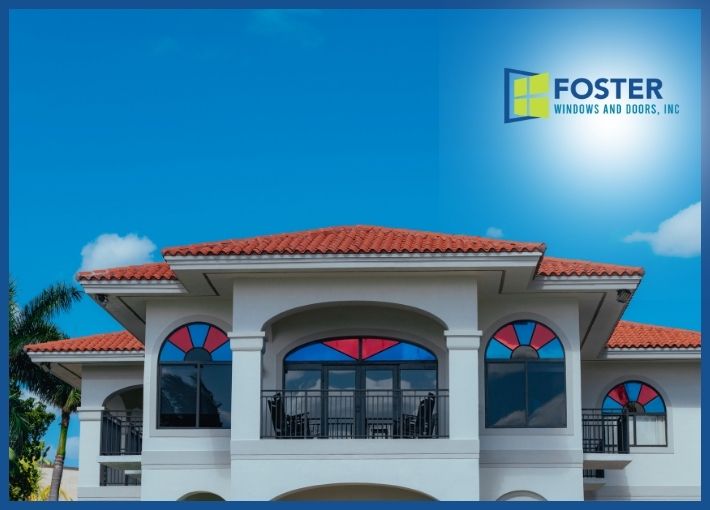
Transom windows are horizontal windows that are typically installed above doors or other windows. Because of their height, their principal function is to allow additional natural light into a space while maintaining privacy. Transom windows are usually fixed but can be operable and come in various shapes and sizes to complement different architectural styles. Rectangular transom windows are standard in modern architecture, while semicircular windows, also known as fanlights, are a typical feature of Georgian and Federal-style buildings.Transom windows allow you to inject personality and style into the architecture through material choices, such as patterned stained glass or textured, frosted, or clear glass.
Gable Windows
Gable windows sit underneath a roof structure, tracing its lines to invite natural light into the home. These windows are typically triangular, drawing attention to the roof’s pitch and creating a real design statement. Gable windows are mainly installed for aesthetic value as they don’t open or provide air circulation. They present an excellent option for a loft conversion project to create a more enjoyable and useable space and make the most of the beautiful surrounding scenery. Gable end windows also make striking design features for barn conversions and new builds when used with other glazing products, like sliding doors and fixed panes,blurring the line between the indoor and outdoor space.
Dormer Windows
Unlike a gable window that sits under the roof and flush with the house’s external walls, dormer windows protrude out of the roof in a framed structure with its own roof. This window type is common in loft conversions, acting as a mini extension to make the space more usable and increase natural light and ventilation. Different kinds of dormers cater to various requirements and architectural styles. While dormers are commonplace, they present the risk of a roof leak as they penetrate the roof. Avoid this by employing a qualified contractor and ensuring they install suitable flashing.
2025 on this – they are winners this year
Skylights
Skylights are windows installed on the roof rather than the wall. They come in all shapes and sizes and are a popular design feature in modern architecture, maximizing light, creating a sense of openness, and adding architectural interest to the property. Skylights can be fixed or operable, manually or electronically, to increase the airflow in the room. Some even come with built-in features to help control the amount of heat and sunlight entering the space, ensuring the room is always comfortable and reducing energy costs. Skylights are one of the more expensive windows to install as they involve cutting into the roof. However, they’re usually considered a good investment in the long run!
Oriel Windows
Oriel windows are another window type that projects beyond the building’s facade. However, unlike bay and bow windows, oriels don’t reach the floor and look as if they are floating. These window types have become popular in modern architecture and extensions, favored for their aesthetic appeal and increased usable space. Oriel windows create the perfect window seat, providing a place to chill out or serving as additional seating around the dining table. Like bay and bow windows, oriels increase the natural light entering a room, making it feel more spacious. Many contemporary designs have a frameless appearance that offers an unobstructed view of the garden or outside space, seamlessly connecting the interior and exterior environment.
Picture Windows
Picture windows are large, fixed windows with minimal frames that provide unobstructed views and maximize the influx of natural light. Their sleek design makes them a popular feature in modern architectural design, where they are usually intentionally placed to frame a particular view, like a live work of art. This window type doesn’t open and close or provide ventilation, so it is considered the most energy-efficient as it minimizes drafts and air leaks. Picture windows are hugely versatile, available in various shapes and sizes, and can be customized to suit the architecture.
Thinking about new windows for your home? Don’t compromise on quality. Our impact windows in Fort Lauderdale combine durability, style, and energy efficiency to keep your home safe and comfortable in every season. Call us today at 954-566-6524 to schedule your consultation and get inspired by following us on Instagram @fosterwindowsdoors.
DON’T FORGET – When it comes to Impact Glass Repairs: We excel at restoring glass, from small cracks to major damage. Our advanced methods and quality materials revive your space’s look, safety, and energy efficiency.
For over 70 years, Foster Windows and Doors has proudly served the South Florida community with a commitment to quality, care, and craftsmanship. As a family-owned business, our roots run deep—and so does our promise: to treat every customer like part of the Foster family.
Whether you’re building from the ground up, managing an entire property, or finally ready to upgrade your home’s openings, the importance of high-quality windows and doors cannot be overstated. In South Florida’s hurricane-prone climate, they’re not just design elements—they’re frontline defense. Investing in durable, professionally installed windows and doors helps protect your family, reduce insurance premiums, and increase the value of your home.
“Our reputaion is embedded in everything we do,” says Terry Turbyfill, CEO of Foster Windows and Doors. “It’s not just about windows and doors—it’s about delivering care, trust, and performance for our customers, from homeowners to entire communities.”
From full-scale installations of premium brands like Lawson, Pella, Andersen, CWS, EuroTech, and more, to detailed service work including sliding glass door repairs, roller replacements, window crank repairs, balance rods, and impact window maintenance, no job is too big—or too small—for our team. We bring the same level of excellence to a single window fix as we do to a high-rise condominium installation.
And while design matters, function and protection come first—especially during hurricane season. Our impact-rated windows and doors are built to withstand South Florida’s harshest weather while enhancing energy efficiency, soundproofing, and long-term durability. It’s not just a product—it’s peace of mind.
These are but a fraction of the styles we offer at Foster Windows. Connect with us for a complimentary consultation.
Serving Broward County and now expanding into Palm Beach County, our team works with property managers, HOAs, condo associations, and single-family homeowners to deliver custom solutions with precision and care. Whether you need to match existing architecture, modernize your home, or meet code with impact-rated options, Foster is the partner you can trust.
Why Choose Foster?
Family-Owned, 70+ Years of Experience
Expert Installations with the industry’s most trusted brands
Detailed Repairs—including rollers, cranks, balance rods, and more
Impact Window Specialists for SF’s hurricane-prone areas
Trusted by Property Managers, HOAs, and Homeowners Alike
Attention to Detail, Every Step of the Way
Ready to elevate your home’s style, safety, and value?
Explore our wide selection of windows, doors, shutters, and the best impact-rated products in Fort Lauderdale.
📞 Call us today at 954-566-6524or visit FosterWindowsandDoors.com to get started.
Follow us on Instagram for real project inspiration and community updates.
Windows are key to your home’s feel and look. Strategic placement and design can fill rooms with light, create focal points, and link indoors with outdoors. Understanding how windows affect light, views, and architecture helps transform rooms into inviting spaces, boosting comfort and curb appeal. Read on to discover how designing around beautiful windows can unlock your home’s true potential.
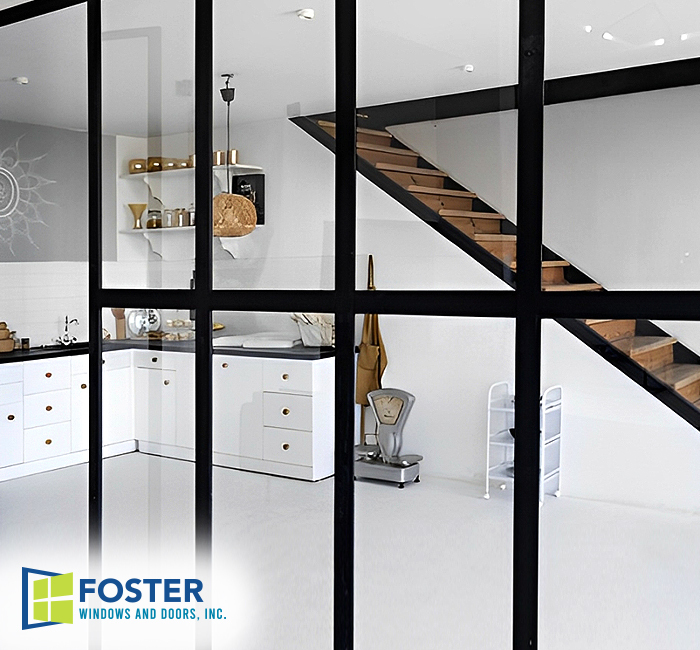
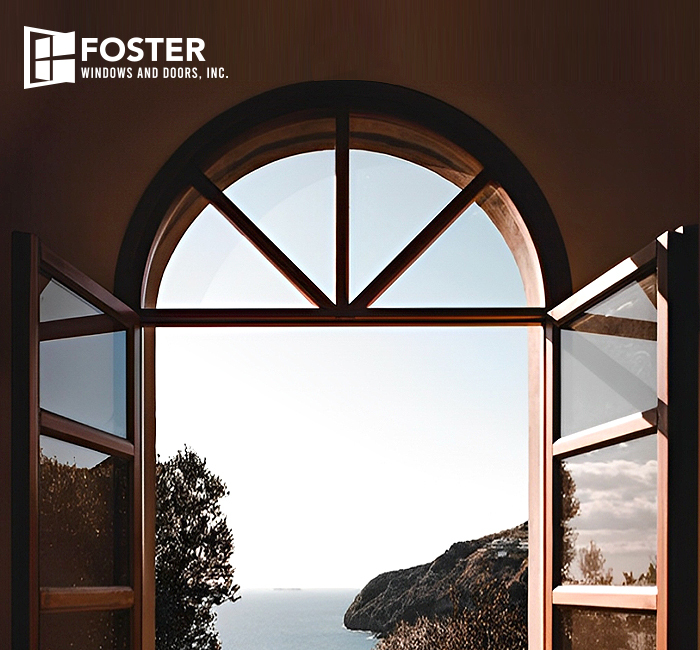
Daylighting is the use of windows and skylights to bring sunlight into your home.
Today’s highly energy-efficient windows, as well as advances in lighting design, reduce the need for artificial lighting during daylight hours without causing heating or cooling problems.
The best way to incorporate daylighting in your home depends on your climate and home’s design. The sizes and locations of windows should be based on the cardinal directions rather than their effect on the street-side appearance of the house. For example:
South-facing windows allow most winter sunlight into the home but little direct sun during the summer, especially when properly shaded
North-facing windows admit relatively even, natural light, producing little glare and almost no unwanted summer heat gain
East- and west-facing windows provide good daylight penetration in the morning and evening, respectively, but may cause glare, admit a lot of heat during the summer when it is usually not wanted, and contribute little to solar heating during the winter.
If you’re constructing a new house, consider daylighting as part of your whole-house design — an approach for building an energy-efficient home. You may also want to incorporate passive solar home design techniques to take advantage of the sun’s rays.
Concerned about the security and comfort of your home? Invest in durable, high-quality doors and the best impact windows in Fort Lauderdale. Protect your family and enhance your home’s resilience. Contact us today at 954-566-6524. Get more inspiration from our community via Instagramhere. We understand the financial considerations involved in window installation and repair. That’s why we’re glad to work with several method payments.We also offer financing solutions to suit your needs.
Impact Windows vs. Regular Windows: What Florida Homeowners Need to Know
Living in South Florida means enjoying sunshine, ocean breezes — and preparing for hurricane season. One of the most important decisions you can make to protect your home is choosing the right windows. But how do impact windows compare to regular windows, and why are they a must-have for Florida homeowners?
In this post, we’ll break down the key differences, benefits, and what to consider when upgrading.
What Are Impact Windows?
Impact windows are specially engineered to withstand high winds and flying debris, making them a first line of defense during hurricanes and tropical storms. Built with laminated glass and reinforced frames, they don’t shatter like traditional glass — they stay intact, keeping you and your home safe.
At Foster Windows & Doors, we offer top-selling impact window brands including:
Eurotech Doors and Windows
Lawson Windows & Doors
PGT Custom Windows and Doors
Key Differences: Impact Windows vs. Regular Windows
Feature
Impact Windows
Regular Windows
Storm Protection
✅ Built for hurricane resistance
❌ Easily broken by wind/debris
Glass Type
Laminated + reinforced
Standard single-pane or double-pane
Noise Reduction
Excellent
Moderate
Energy Efficiency
High – reduces utility bills
Varies, often lower
Security
Very strong, hard to break
Easy target for break-ins
Insurance Discounts
Often qualify for premium reductions
Typically no discounts
Upfront Cost
Higher
Lower initial cost, higher risk
Why Florida Homeowners Choose Impact Windows
Peace of Mind During Storms
Impact windows stay intact, even under extreme pressure or force.
Energy Efficiency
Save money year-round. Our energy-efficient windows help maintain your indoor temperature, reducing A/C usage and blocking harmful UV rays.
Increased Home Value
Buyers in Florida are looking for hurricane-ready homes. Impact windows are a strong selling point.
Lower Insurance Costs
Many insurance providers offer discounts for homes with impact-rated products.
Are Impact Windows Worth the Investment?
Yes – especially in South Florida.While regular windows might be cheaper upfront, they offer minimal protection during storms and could cost you far more in the long run. Between storm damage, rising energy bills, and security risks, standard windows simply don’t hold up.
Trust the South Florida Impact Window Experts
At Foster Windows & Doors, we don’t just sell windows — we protect homes. Our products meet Florida’s strictest building codes, and our expert team offers fast, detailed service with no contracts and full transparency.
Brought to You by Foster Windows & Doors — Serving Florida for Over 70 Years
Hurricane season in Florida officially begins on June 1st and continues through November 30th each year. While storms can bring unpredictability, being prepared at home and having a solid plan in place is one of the most powerful steps you can take to protect your family and property.
This guide outlines key information for the 2025 hurricane season and emphasizes the importance of proactive home protection.
We’re Not Here to Alarm — We’re Here to Empower
At Foster Windows & Doors, we’re not in the business of creating fear. Our mission is to ensure that every Florida homeowner feels confident and capable during storm season — less reliant on government aid, and more protected with the right tools and resources in place.
With over 70 years of experience helping Florida families prepare, we know what it takes to secure your home — and we’re here to make sure you have everything you need.
There’s Still Time to Prepare
Hurricane season may be approaching, but there’s still time to act. Whether you need impact-rated windows, storm doors, or a quick consultation on your home’s vulnerabilities, our team is ready to help.
Protect what matters most.
Be ready before the storms arrive.
Contact Foster Windows & Doors today to get started.
Get ready — there are fewer than 50 days before the start of the 2025 Atlantic hurricane season.
Last year’s season’s activity was above the historical average, with Florida taking some big hits from three hurricanes. Two of them were considered major hurricanes by the National Oceanic and Atmospheric Administration (NOAA).
Here’s a look at what we know so far and how to prepare for the upcoming 2025 hurricane season in Florida.
When is hurricane season?
The Atlantic hurricane season runs from June 1 through November 30. Tropical activity picks up between mid-August and mid-October, with the season’s peak occurring Sept. 10.
The Atlantic basin includes the Atlantic Ocean, Caribbean Sea, and Gulf of America, formerly the Gulf of Mexico.
2025 Atlantic hurricane season: What are this year’s names?
Here are the names for the 2025 Atlantic hurricane season, along with how to pronounce them:
Andrea: AN-dree uh
Barry: BAIR-ree
Chantal: shahn-TAHL
Dexter: DEHK-ster
Erin: AIR-rin
Fernand: fair-NAHN
Gabrielle: ga-bree-ELL
Humberto: oom-BAIR-toh
Imelda: ee-MEHL-dah
Jerry: JEHR-ee
Karen: KAIR-ren
Lorenzo: loh-REN-zoh
Melissa: meh-LIH-suh
Nestor: NES-tor
Olga: OAL-guh
Pablo: PAHB-lo
Rebekah: reh-BEH-kuh
Sebastien: se-BAS-tee-en
Tanya: TAHN-yuh
Van: van
Wendy: WEN-dee
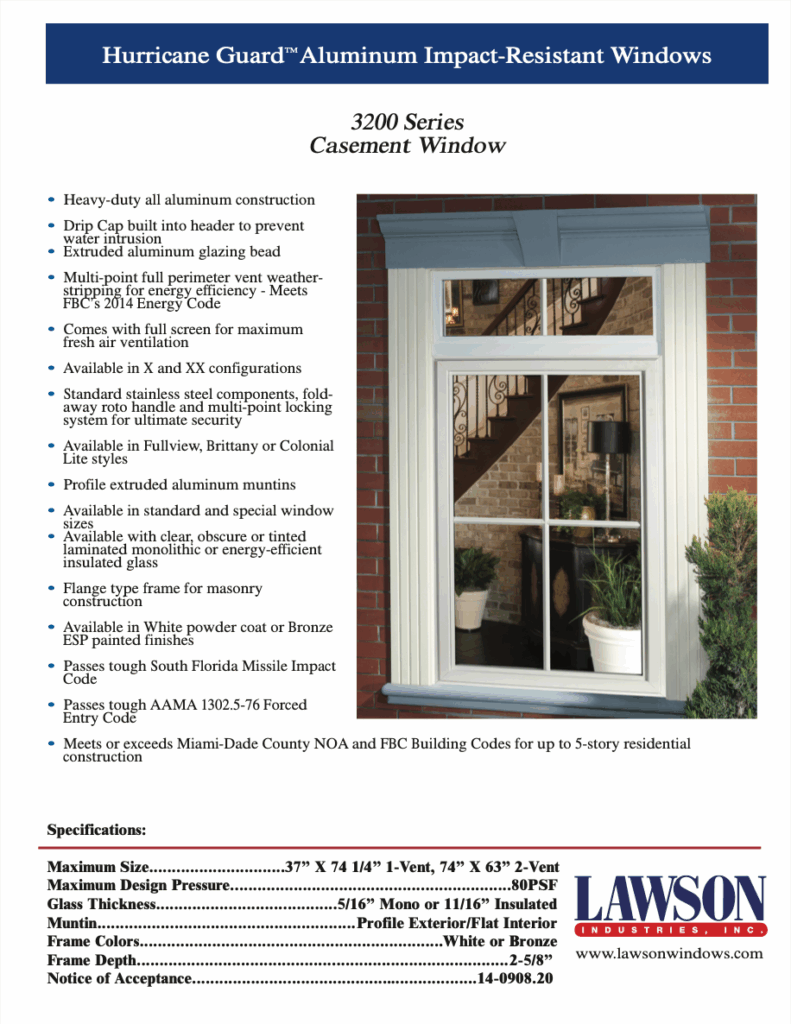
For unobstructed views and without sacrificing strength and protection, the Lawson Casement window with Hurricane GuardTM technology is unmatched.
What if we run out of hurricane names in 2025?
If all 21 names on the list for that year are used, names from a supplemental list are used.
The supplemental list, also approved by the WMO, replaced the use of names using the Greek alphabet in 2021. Forecasters have used the Greek alphabet twice, in 2005 and 2020.
For unobstructed views and without sacrificing strength and protection, the Lawson Casement window with Hurricane GuardTM technology is unmatched.
In 2005, six names from the Greek alphabet were used. In 2020, with its record 30 named storms, nine names from the Greek alphabet were used.
For Atlantic storms, the supplemental list of names is:
Adria
Braylen
Caridad
Deshawn
Emery
Foster
Gemma
Heath
Isla
Jacobus
Kenzie
Lucio
Makayla
Nolan
Orlanda
Pax
Ronin
Sophie
Tayshaun
Viviana
Will
What are the categories for hurricanes?
The Saffir-Simpson wind scale is used to rate hurricane strength. The Saffir-Simpson Hurricane Wind Scale is a 1-to-5 rating scale based on a hurricane’s sustained wind speed. It was developed in 1971 by civil engineer Herbert Saffir and meteorologist Robert Simpson and introduced to the public in 1973, according to the NWS.
According to NOAA, the scale does not take into account other hazards such as storm surge, rainfall, flooding and tornadoes.
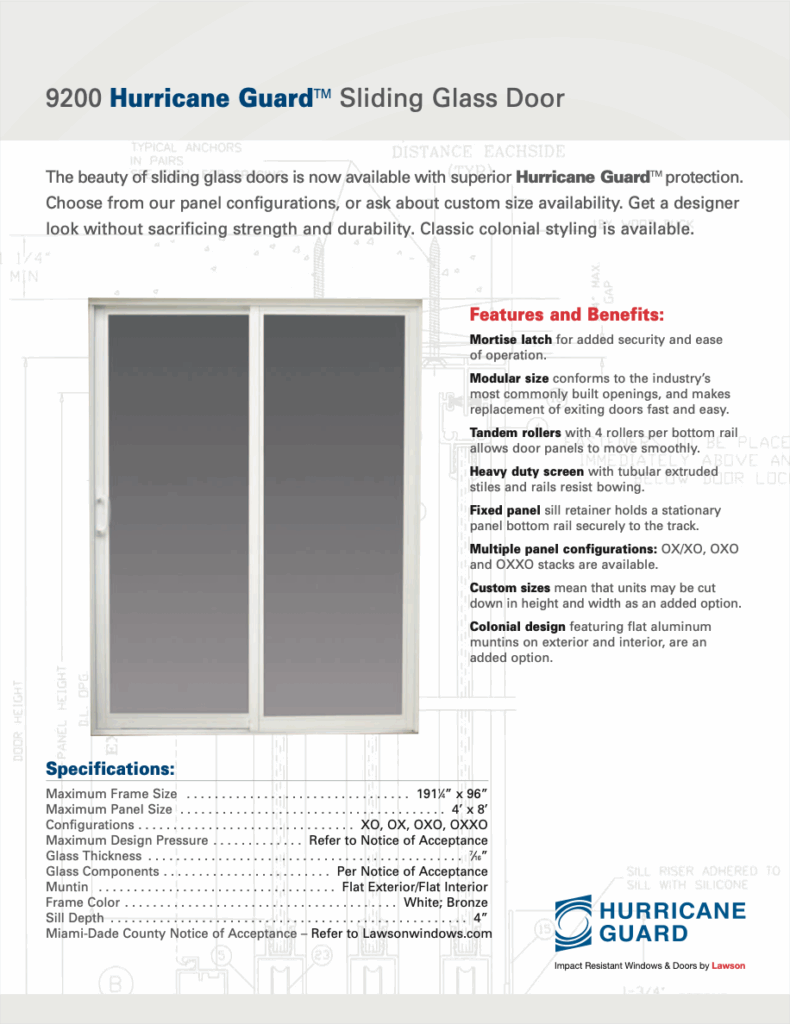
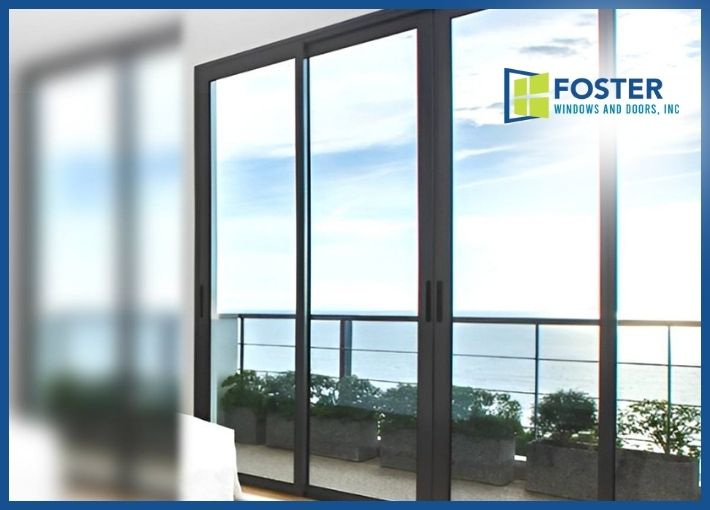
The beauty of sliding glass doors is now available with superior Hurricane GuardTM protection. Choose from our panel configurations, or ask about custom sizes.
While all hurricanes produce life-threatening winds, NOAA also states that hurricanes rated Category 3 and higher are known as major hurricanes.
Here are the different hurricane categories and their impacts:
Category 1 hurricane: Wind speed and damage expected
Wind speed: 74-95 mph
Impact: Very dangerous winds will produce some damage. Well-constructed frame homes could have damage to roof, shingles, vinyl siding and gutters. Large branches of trees will snap and shallowly rooted trees may be toppled. Extensive damage to power lines and poles will likely result in power outages that could last a few to several days.
Category 2 hurricane: Wind speed and damage expected
Wind speed: 96-110 mph
Impact: Extremely dangerous winds will cause extensive damage. Well-constructed frame homes could sustain major roof and siding damage. Many shallowly rooted trees will be snapped or uprooted and block numerous roads. Near-total power loss is expected with outages that could last from several days to weeks.
Category 3 hurricane: Wind speed and damage expected
Wind speed: 111-129 mph. Considered a major hurricane.
Impact: Devastating damage will occur. Well-built framed homes may incur major damage or removal of roof decking and gable ends. Many trees will be snapped or uprooted, blocking numerous roads. Electricity and water will be unavailable for several days to weeks after the storm passes.
The beauty of sliding glass doors is now available with superior Hurricane GuardTM protection. Choose from our panel configurations, or ask about custom sizes.
Category 4 hurricane: Wind speed and damage expected
Wind speed: 130-156 mph. Considered a major hurricane.
Impact: Catastrophic damage will occur. Well-built framed homes can sustain severe damage with loss of most of the roof structure and/or some exterior walls. Most trees will be snapped or uprooted, and power poles will be downed. Fallen trees and power poles will isolate residential areas. Power outages will last weeks to possibly months. Most of the area will be uninhabitable for weeks or months.
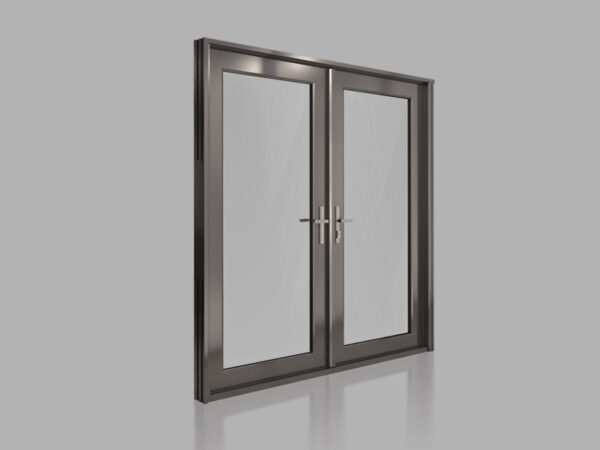
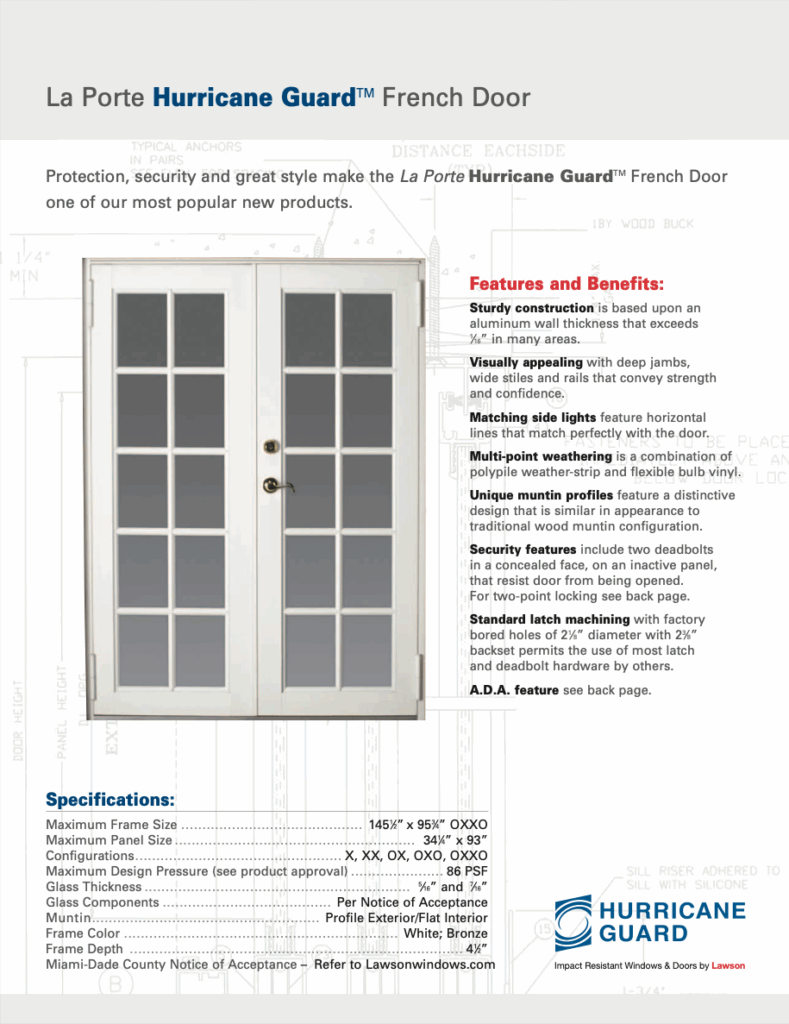
Protection, security and great style make the La Porte Hurricane GuardTM French Door one of our most popular new products.
Protection, security and great style make the La Porte Hurricane GuardTM French Door one of our most popular new products.
Category 5 hurricane: Wind speed and damage expected
Wind speed: 157 mph or higher. Considered a major hurricane.
Impact: Catastrophic damage will occur. A high percentage of framed homes will be destroyed, with total roof failure and wall collapse. Fallen trees and power poles will isolate residential areas. Power outages will last for weeks to possibly months. Most of the area will be uninhabitable for weeks or months.
Is there a Category 6 hurricane?
There are no Category 6 hurricanes, though there is some debate as to whether another category should be added to the scale.
The reason a sixth hurricane category doesn’t exist is that it isn’t needed. A Category 5 hurricane is generally so strong, the amount of damage caused would be nearly indistinguishable from a stronger storm.
Secure your home and prepare for any season. Explore our range of durable, high-quality doors and the best impact windows in Fort Lauderdale. Contact us today at 954-566-6524. Get more inspiration from our community via Instagram here.
Windows are essential to your home’s comfort, energy efficiency, and overall appearance, but they can wear down or become outdated over time. For those in hurricane-prone areas, having the right windows is even more critical. Explore how to choose the best options for your home and discover how upgrading your windows can improve your living space while saving you money in the long run.
Energy efficient windows are an important consideration for both new and existing homes. Heat gain and heat loss through windows are responsible for 25%–30% of residential heating and cooling energy use.
If you are selecting windows for new construction or to replace existing windows, it’s important to choose the most efficient windows you can afford that work best in your climate.
If your existing windows are in good condition, taking steps to reduce the energy loss through windows can make your home more comfortable and save you money on energy bills.
You have two broad options if you hope to reduce the amount of energy lost through your windows and improve the comfort of your home:
Update your existing windows to improve efficiency
Replace your windows.
Update Existing Windows to Improve Efficiency
If your windows are in good condition, taking steps to improve their efficiency may be the most cost-effective option to increase the comfort of your home and save money on energy costs. There are several things you can do to improve the efficiency of your existing windows:
Check existing windows for air leaks
Caulk and weather strip. Check out our do-it-yourself project to learn how to weather strip double-hung windows.
Add energy efficient window coverings. Learn more about your window covering options.
Add storm windows or panels
Add solar control film
Add exterior shading, such as awnings, exterior blinds, or overhangs.
With any efficiency improvements, take steps to ensure proper installation and check for air leaks again after making the improvement.
Replace Your Windows
If you decide to replace your windows, you will have to make several decisions about the type of windows you purchase and the type of replacement you will make.
You may have the option of replacing the windows in their existing frame; discuss this option with your window retailer and installer to find out if it will work for you.
You will also need to decide what features you want in your windows. You will need to decide on the following:
Frame types
Glazing type
Gas fills and spacers
Operation types
Selection Process
In addition to choosing the window type, you also need to consider design, energy use and labeling, warranties, and proper installation.
First look for the ENERGY STAR label when buying new windows. Then review ratings on the energy performance label from the National Fenestration Rating Council (NFRC) to find the most efficient windows for your needs.
NFRC ratings are included on all ENERGY STAR certified windows and provide a reliable way to determine a window’s energy properties and compare products. Learn about energy performance ratings for windows to understand how to read the labels and energy-use information.
The Efficient Windows Collaborative offers a selection process for both replacement windows and windows for new construction.
Window Selection Tips
Look for the ENERGY STAR and NFRC labels.
In colder climates, consider selecting gas-filled windows with low-e coatings to reduce heat loss. In warmer climates, select windows with coatings to reduce heat gain.
Choose a low U-factor for better thermal resistance in colder climates; the U-factor is the rate at which a window conducts non-solar heat flow.
Look for a low solar heat gain coefficient (SHGC). SHGC is a measure of solar radiation admitted through a window. Low SHGCs reduce heat gain in warm climates.
Select windows with both low U-factors and low SHGCs to maximize energy savings in temperate climates with both cold and hot seasons.
Look for whole-unit U-factors and SHGCs, rather than center-of-glass U-factors and SHGCs. Whole-unit numbers more accurately reflect the energy performance of the entire product.
Installation
Even the most energy-efficient window must be properly installed to ensure energy efficiency and comfort. Have your windows installed by trained professionals according to manufacturer’s instructions; otherwise, your warranty may be void.
Window installation varies depending on the type of window, the construction of the house (wood, masonry, etc.), the exterior cladding (wood siding, stucco, brick, etc.), and the type (if any) of weather-restrictive barrier.
Windows, flashing, and air sealing should all be installed according to the manufacturer’s recommendations to perform correctly.
The Building America Solution Center offers guidance on complete window and frame replacement. Consult this guide with your window professional to ensure proper installation.
Upgrade your home and boost energy efficiency with our premium windows. Explore your options and get expert guidance from the best window repair services in Florida. Let’s create your dream home together! Contact us today at 954-566-6524. Get more design inspiration from our community via Instagramhere.
Your home’s exterior doors are more than just entryways—they’re a statement of style, a barrier against storms, and a critical component of your home’s security. Choosing the right doors can enhance curb appeal, improve energy efficiency, and even boost your property’s value. We’ll walk you through the key factors to consider below, and if you have questions, call us! Terry and his team would be pleased to get your questions answered, meet with you to discus your options and discuss costs — and get the job done seamlessly.
New exterior doors often fit and insulate better than older types. If you have older doors in your home, replacing them might be a good investment, resulting in lower heating and cooling costs.
If you’re building a new home, you should consider buying the most energy-efficient doors possible.
When selecting doors for energy efficiency, it’s important to first consider their energy performance ratings in relation to the local climate and your home’s design. This will help narrow your selection. Look for the ENERGY STAR label to help identify energy efficient products for your climate.
The National Fenestration Rating Council (NFRC) label helps you compare energy performance ratings of doors. The label shows the solar heat gain coefficient (SHGC) and U-factor for the door. Learn more about the NFRC label.
Look for a low SHGC in a climate that mainly requires cooling and a high SHGC in a climate that requires heating. The range is from 0 to 1. SHGC measures how well a product keeps out solar heat.
Look for a low U-factor. The lower the U-factor, the better the door keeps in heat.
Types of Doors
One common type of exterior door has a steel skin with a polyurethane foam insulation core. It usually includes a magnetic strip (similar to a refrigerator door magnetic seal) as weather stripping. If installed correctly and not bent, this type of door needs no further weather stripping.
The R-values of most steel and fiberglass-clad entry doors range from R-5 to R-6, excluding a window. For example, a 1-1/2 inch (3.81 cm) thick door without a window offers more than five times the insulating value of a solid wood door of the same size.
Single-pane glass or “patio” doors, especially sliding glass doors, lose much more heat than other types of doors because glass is a very poor insulator. Models with several layers of glass, low-emissivity coatings, and/or low-conductivity gases between the glass panes are a good investment. Most modern glass doors with metal frames have a thermal break, which is a plastic insulator between inner and outer parts of the frame. When buying or replacing patio doors, swinging doors generally offer a tighter seal than sliding types. Look at NFRC labels to find air leakage ratings. A door with one fixed panel will have less air leakage than a door with two operating panels.
It’s impossible to stop all the air leakage around the weather stripping on a sliding glass door and still be able to use the door. In addition, after years of use the weather stripping wears down, so air leakage increases as the door ages. If the manufacturer has made it possible to do so, you can replace worn weather stripping on sliding glass doors.
Installation
When you buy a door, it will probably be pre-hung. Pre-hung doors usually come with wood or steel frames. You will need to remove an existing doorframe from the rough opening before you install a pre-hung door. The doorframe must be as square as possible, so that the door seals tightly to the jamb and swings properly.
Before adding the interior trim, apply expanding foam caulking to seal the new doorframe to the rough opening and threshold. This will help prevent air from getting around the door seals and into the house. Apply carefully, especially if the frame is wood, to avoid having the foam force the frame out of square.
New, pre-hung exterior doors should have weather stripping already installed. Check the weather stripping on your exterior doors annually to see if it needs replacement.
Storm Doors
Adding a storm door can be a good investment if your existing door is old but still in good condition. However, adding a storm door to a newer, insulated door is not generally worth the expense, because you won’t save much more energy.
If you plan to purchase a storm door, consider features that improve the energy efficiency.
Storm door frames are usually made of aluminum, steel, fiberglass, or wood (painted or not). Wooden storm doors require more maintenance than the other types. Metal-framed storm doors might have foam insulation inside their frames for added strength.
High-quality storm doors use low-emissivity (low-e) glass or glazing to increase energy efficiency. Other features may include screens with self-storing pockets, full-length screens with removable glass panels, and screens and glass that slide past each other. All of these features add convenience and cost.
A glass storm door could trap heat against an entry door and cause damage if the exterior door gets more than a few hours of direct sun each day. Low-e glass will reduce the heat gained. Check the door manufacturer’s recommendations if this is a concern.
Storm doors for patio doors are hard to find, but they are available. Adding one to a new, multi-glazed low-e door is seldom economic. Insulating attachments such as cellular shades, when closed for the night in winter or on sunny days in summer, are also a good idea.
Ready to upgrade your home’s exterior doors and protect your family? Upgrade your home with our professional door and window installation service. Discover the latest window technologies and experience the difference. Contact us today at 954-566-6524. Get more design inspiration from our community via Instagramhere.




 Key PACE Program Benefits:
 Key PACE Program Benefits:
 Services That Qualify for PACE Financing
 Services That Qualify for PACE Financing
 Get Started Today








 Daylighting is the use of windows and skylights to bring sunlight into your home.