

Foster Windows and Doors Archives - Page 3 of 4 - Foster Windows & Doors

When to Replace Your Windows

Are your windows a source of discomfort or inefficiency? What about concerns about security and hurricane protection? It might be time for an upgrade. From safety, energy efficiency and noise reduction to home value and curb appeal, replacing old windows can offer significant benefits. Let’s explore the signs that indicate it’s time for a window replacement.

Is It Time to Replace Your Windows?

Have you checked on your windows lately?  Windows have many uses in your home – from adding light, to providing beautiful views to making your home more visually appealing. However, if you have old, poorly made, drafty, or degraded windows – your home will have to work harder to maintain indoor temperatures, wasting lots of energy, and leaving you uncomfortable when outdoor temperatures are the most extreme. While windows only take up approximately 8% of the surface of your home’s exterior, they account for about 45% of the heat gain or loss – meaning window performance can have a big impact on the comfort and efficiency of your home. Now is a great time to consider an upgrade with many different incentives available for window replacement.  These include Federal Tax Credits available for windows and skylights that earn ENERGY STAR Most Efficient recognition.   Many local utilities also offer rebates for high performance windows to reduce home energy use.  Here are a few big indicators that it may be time to replace your windows.

Reasons to replace:

Any of these major problems could be a good reason to replace your windows.

Single-pane windows (windows with only one layer of glass).  These windows are big energy wasters due to them being poor performers at insulating against cold weather. They typically do not have coatings to block solar heat in the summer, which increases air- conditioning costs.

Windows with air leaks and drafts, or degraded sills and sashes. These windows also waste energy and are very uncomfortable to sit next to when it is cold and windy out. Degraded window frames or sashes can also leak water into your walls causing more problems and allow insects and other pests to enter your home.

Double-pane windows (two layers of glass) that are cloudy between glass panes or have moisture in them. Older, double-pane windows used old technology to seal the space between the glass. If those seals have failed, not only will you lose insulating power (loss of comfort), your glass may get cloudy, making it harder to see and impossible to clean, or moisture can get between the panes.

Windows that do not open or are painted shut. Windows that do not open prevent you from enjoying fresh air on a nice day, or a cool evening after a hot day, which can help reduce energy costs. Windows that do not open are also difficult to clean.

Other Considerations

  • Improve your home’s look and value – Replacing your old, ugly windows with new, clean-looking ENERGY STAR windows can improve both the curb appeal and the value of your home.  Studies have shown that window replacement can add value to your home on resale – in addition to providing energy savings for many years.  Many new window frame types do not require painting which eliminates a time-consuming home maintenance hassle.
  • How many windows should you replace? – To get the best price per window, it helps to plan to replace at least 8-12 windows to reduce installation costs. Window installation costs are lower for the contractor if they come to your home for a larger project because of the time it takes to haul the windows to your home, set up the site, and clean up the site.
  • Was your home built before 1978? – If so, the installer will likely have to take precautions due to possible lead paint. Following lead paint clean-up protocols is good for your home because they require the installer to catch any lead paint chips or dust that may fall during removal of the old windows, to clean up the site with extra care when the job is completed, and to dispose of the old windows correctly. The US EPA has excellent guidance on lead paint issues here.
  • Talk to neighbors or friends who have had their windows replaced recently. Ask around to find leads on good contractors who sell good window products, provide product performance details, do not use pressure sales tactics, communicate well, have a good warranty, and are clean and respectful during the installation.

How can I be sure the new windows are energy efficient?

Choose ENERGY STAR certified windows to make sure your new windows are independently certified to be energy efficient.  ENERGY STAR’s efficiency experts have done extensive analysis to specify windows that are designed to be the most energy efficient and cost effective for the climate zone in which you live – Northern, North-Central, South-Central, or Southern regions of the U.S.  Find your ENERGY STAR climate zone using the Climate Zone Finder Tool.

  • In colder Northern climates, the focus is on better insulation to save on heating costs.
  • In hotter Southern climates, the focus is on blocking solar heat coming through the glass to save on air conditioning costs.
  • In the middle of the country, performance is balanced between insulating power and solar heat blocking to save on both heating and cooling.

ENERGY STAR certified windows come in a wide variety of styles, colors, frame types, and operator types (ways of opening).  Check with your local supplier to see what brands they sell and then use the ENERGY STAR Product Finder to find the style and type that works for you.

Upgrade your home and save energy with our high-performance windows. Explore your options and receive personalized assistance from the best window repair services in Florida. Let’s transform your home together. Contact us today at 954-566-6524. Get more design inspiration from our community via Instagram here.


Reference: [https://www.energystar.gov/products/ask-the-experts/is-it-time-to-replace-your-windows]

Hurricane Safety Tips 

Florida’s hurricane season is a serious matter. With powerful storms capable of causing widespread damage, it’s crucial to be prepared. This guide offers essential safety tips and resources to help you protect yourself, your family, and your property. Special attention will be given to window safety, as they are often the first point of vulnerability during a hurricane. Let’s work together to ensure you and your loved ones are safe!

Hurricanes are among nature’s most powerful and destructive phenomena. On average, 12 tropical storms, 6 of which become hurricanes form over the Atlantic Ocean, Caribbean Sea, or Gulf of Mexico during the hurricane season which runs from June 1 to November 30 each year. In the Central Pacific Ocean, an average of 3 tropical storms, 2 of which become hurricanes form or move over the area during the hurricane season, which runs from June 1 to November 30 each year. Guam, the Northern Marianas and Micronesia experience typhoons all year round but the main season in July through November with a peak from mid-August to mid-September. Over a typical 2-year period, the U.S. coastline is struck by an average of 3 hurricanes, 1 of which is classified as a major hurricane (winds of 111 mph or greater). By knowing what actions to take before the hurricane season begins, when a hurricane approaches, and when the storm is in your area, as well as what to do after a hurricane leaves your area, you can increase your chance of survival. If you, or someone you know, have been a victim of a hurricane, please share your story, including the town and state you were in and the year the event took place.. Please note that NS will then have permission to use your story for educational campaigns. Sharing this information may help save someone’s life in the future. Read stories from survivors and learn how to stay safe.

Hurricane Hazards

While hurricanes pose the greatest threat to life and property, tropical storms and depression also can be devastating. The primary hazards from tropical cyclones (which include tropical depressions, tropical storms, and hurricanes) are storm surge flooding, inland flooding from heavy rains, destructive winds, tornadoes, and high surf and rip currents.

  • Storm surge is the abnormal rise of water generated by a storm’s winds. This hazard is historically the leading cause of hurricane related deaths in the United States. Storm surge and large battering waves can result in large loss of life and cause massive destruction along the coast.
  • Storm surge can travel several miles inland, especially along bays, rivers, and estuaries.
  • Flooding from heavy rains is the second leading cause of fatalities from landfalling tropical cyclones. Widespread torrential rains associated with these storms often cause flooding hundreds of miles inland. This flooding can persist for several days after a storm has dissipated.
  • Winds from a hurricane can destroy buildings and manufactured homes. Signs, roofing material, and other items left outside can become flying missiles during hurricanes.
  • Tornadoes can accompany landfalling tropical cyclones. These tornadoes typically occur in rain bands well away from the center of the storm.
  • Dangerous waves produced by a tropical cyclone’s strong winds can pose a significant hazard to coastal residents and mariners. These waves can cause deadly rip currents, significant beach erosion, and damage to structures along the coastline, even when the storm is more than a 1,000 miles offshore.

Don’t wait for the next storm to strike. Invest in your family’s safety with our top-of-the-line hurricane-resistant windows. We also offer the best hurricane-resistant windows in Florida. Contact us today at 954-566-6524. Get more design inspiration from our community via Instagram here.


Reference: [https://www.weather.gov/safety/hurricane]

13 Front Door Things To Keep You Safe

Your front door is the gateway to your home and should be a secure haven. Don’t let uninvited guests disrupt your peace of mind! Here are some tips and tricks to fortify your entryway and ward off unwanted surprises!

The front door area of your home should be welcoming, but only to welcomed visitors. As the most visible entry to a home, this zone can be vulnerable to break-ins. Doing all you can to deter criminals and secure the front door can keep loved ones and property safer. In addition to stopping unwanted visitors, a front entry can help first responders find you if an emergency arises. Learning how to protect yourself and your property doesn’t have to be difficult (or cost-prohibitive), so the following items range from simple DIY steps to long-term solutions.

1. Privacy Film

Entry doors with clear glass inserts or sidelights are beautiful when the sun sparkles through, but they also give unwanted visitors a clear view inside. Obscuring a would-be burglar’s view doesn’t have to involve heavy drapery, though. Installing frosted privacy film, like this privacy window film from Gila, on the inside of the glass can add a decorative element to a window while allowing light to penetrate into the entryway and protecting the contents of your home from curious eyes.

2. Old Boots

This trick is simple, but highly effective: Keep a spare pair of shoes or boots (the bigger, the better) in your entry closet and set them just outside your front door when you leave. The boots make it look as though someone in the house just left their boots on the doorstep. You can pick up a slightly worn looking pair (an essential part of the illusion) at a thrift store for just a few bucks. Bring the boots indoors when you return.

3. Security Sign

Whether you pay an alarm security company to monitor your home or not, burglars have no way of knowing. Realistic security yard signs such as the SmartSign security alert yard sign will give would-be thieves reason to think again before breaking into your home. Put the sign in the yard by the front steps so it won’t be missed, and put the security stickers that come with it in windows around your home.

4. Visible House Numbers

In case of a break-in or a medical emergency, first responders need to be able to locate your home as quickly as possible. Small house numbers are difficult to see and can make it tough for emergency workers to find an address. To be seen easily from the street, house numbers, like these from QT House Numbers, should be at least 6 inches high. For the best visibility, install the numbers on a surface in a contrasting color.

5. Fake Video Camera

A video surveillance system is an asset to any home security plan, but installing one can cost $1,000 or more. If that’s out of your budget, don’t worry. Many of today’s dummy cameras such as F. Finders & Co.’s fake CCTV camera are virtually impossible to distinguish from the real thing. For authenticity’s sake, make sure the camera you choose has a wire and a blinking red light that flashes at night.

6. Pocket Radio

Keep a radio on a table inside and near the front door and turn it on when leaving. It’s an inexpensive way to make unwanted visitors think someone is still in the house, and will deter most burglars who count on being alone in the home while they’re stealing your possessions.

7. Pet Rescue Decals

In the event of a house fire, keeping beloved pets safe could come down to letting first responders know how many and what kind of pets are in your home. Pet rescue decals, which should be placed either on a glass door inset or in the window closest to the front door, alert rescue workers that your beloved animals are inside and in need of rescue. Order free pet rescue decals from the ASPCA.

8. Wi-Fi Video Doorbell

Most burglars come right through the front door if they think no one is watching, even in broad daylight. One of the most popular gadgets in home security is a Wi-Fi video doorbell, such as the Ring Battery Doorbell Plus. The doorbell sends an alarm to your smartphone when someone approaches the front door, and records video of the front door area. Burglars are getting smart to these doorbells and steering clear of homes that can document their bad behavior.

9. Door Brace

If you live in a crime-ridden neighborhood, or you have teenage kids that are home alone for a couple of hours after school, invest in a door brace and keep it right inside your front door. A good door brace, such as the Master Lock Door Security Bar, will prevent even the most determined invader from getting in. The brace slips in place beneath the door knob and then a lever tightens it down. Even a flimsy door is virtually impossible to break down with a door brace in use.

10. Keypad Lock

When asked how they gain access to locked homes, convicted burglars are quick to share one of their industry secrets—they use a key. Often, homeowners leave a hidden key for family members, but it’s a bad idea—crooks know all the best hiding places. Instead, install a touchpad entry lock like Schlage’s Z-Wave Touchscreen Deadbolt. Today’s keypad locks come in attractive designs and many feature alarms, fingerprint recognition, and Alexa connectivity.

11. Reinforced Door 

A seasoned burglar can kick open a weak front door. A solid-core front door that is properly and securely installed is your best line of defense. The most secure entry doors are made of steel or solid wood. Door frames and jambs also are weak points. While replacing a door or reinforcing the frame usually is best left to pros, it’s wise to do a thorough check of front door security. If you’re installing a new door, invest in a door hinge jig like the Porter-Cable door hinge template for better accuracy.

Even if you’re not installing a brand-new front door, there are still things you can do to amp up safety at your home’s entry point: Ensure the deadbolt is secure, and replace an old strike plate with a heavy-duty one made of steel. Screw the strike plate in with screws that are at least 3 inches long. If these steps are beyond the budget or your DIY skill level, reinforce door jambs with an easy-to-install chain, door shield, hinge guard, or door brace.

12. Motion Sensor Lights

Deterring would-be criminals often is a matter of making it more difficult for them to break in undetected. However, it’s not the best idea to leave a front porch light on while away for a few days. Anyone casing a street will take note of the daytime illumination. Motion sensor lights come on only when they detect motion, and hardwired sets install easily at the point of existing wired lights. Although attractive options abound, Leonlite LED Motion Sensor Flood Lights can pick up motion from 50 feet away and illuminate 70 feet out, just enough spotlight effect to discourage those looking for an easy front door target.

Solar motion sensor lights, like the Urpower Solar LED Lights, can offer more flexibility for placement since they do not need to be hardwired. These come in a pack of four lights to illuminate approaches, the front door, and even the garage door or a window. The only drawback is that the light’s solar collectors (located on the angled top of each light) must be oriented so they get enough sun during the day to charge. Install motion-sensing lights where they will make the front door visible and test them to ensure they detect motion as someone approaches the door.

13. Security Door

Add another layer of protection to your front door by installing a security door, which is typically made of iron, steel, and metal screen or reinforced tempered glass. Unlike a screen door, which is typically aluminum and screen mesh, security doors are tough to break, pry, or cut through. And though a bland wrought iron might not be a first choice for appearance, the doors come in plenty of styles, depending on budget (with custom designs on the highest end).

Another upside to security doors is their transparency: You can open the main front door to let in more natural light or breeze, and still have a strong barrier between you and the outside. The basic but sturdy Unique Home Designs steel security door boasts a heavy-duty lockbox in addition to its steel frame and screen. Although this front door addition can be more costly and might involve hiring a pro to install, it’s a long-term solution to added security when you’re at home and away.

Upgrade your door and enhance your security! Check our wide selection of beautifully designed doors and let’s find the perfect one to keep your family safe. Contact us today at 954-566-6524. Get more design inspiration from our community via Instagram here.


Reference: [https://www.bobvila.com/articles/keep-by-front-door/]

Crystal Clear Views: Your Guide to Window Cleaning

Replacing windows can be a significant investment, and you want to ensure that sparkle lasts! Keep your beautiful new windows gleaming like the day they were installed. Read below and unveil the secrets to sparkling transparency and a crystal-clear view of the world outside.

How to Clean Windows

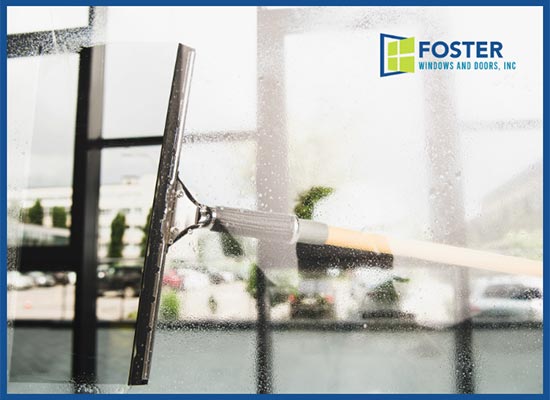
Cleaning windows is a dreaded seasonal chore for many homeowners, but it doesn’t have to be. Learn our methods for cleaning interior and exterior glass, and the best tools for getting the job done.

Imagine basking in natural light and enjoying stunning views through brand-new, sparkling windows! Contact us today at 954-566-6524. Get more design inspiration from our community via Instagram here.


Reference: [ https://www.bobvila.com/articles/how-to-clean-windows/ ]

The Vital Role of Impact-Resistant Windows

In the land of perpetual sunshine and swaying palm trees, we revel in a climate that many envy. 

However, the unique climate comes with its own set of challenges. While energy efficiency has traditionally been a focal point in home improvement discussions, there’s a compelling case for prioritizing hurricane protection and safety features to enhance both the value and security of your residence. The perfect windows can not only help you enjoy the beautiful climate and scenery but can also help to keep you safe. 

AND… did you hear the good news? Until June 30th, 2024 your impact windows are TAX-FREE! Save thousands with a limited-time tax-free offer! We can’t anticipate when the state of Florida will offer such savings again!

We are well aware that hurricanes and tropical storms are a regular occurrence, as such, impact-resistant windows provide an added layer of protection against inclement weather. Many window models are constructed with durable materials and impact-resistant glass, capable of withstanding high winds and flying debris. By fortifying homes against potential damage, these windows enhance the safety and security of residents, offering peace of mind during hurricane season.

The benefits extend beyond mere protection. In a real estate market where safety and security are paramount, homes that are equipped with hurricane-resistant windows command attention. Prospective buyers seek reassurance knowing that their investment is shielded against the elements, as well as potential intruders, making properties with these features highly desirable and potentially commanding higher resale values. 

Beyond safety and protection, the right windows also enhance the overall comfort and livability of your home. By minimizing heat transfer, the right windows reduce the occurrence of hot spots and drafts, creating a more consistent and pleasant indoor environment. Additionally, our windows offer superior sound insulation, helping to block out unwanted noise from bustling streets or noisy neighbors, thereby fostering a serene living space. 

Harness the beauty of the Southern Florida climate while minimizing its drawbacks! We have the products you need to make your home a veritable paradise! We can meet all your needs, whether it be windows or doors; we’ve got you covered! With decades of experience, we are in your corner! Visit our socials or give us a call at 954.566.6524 to see how we can help you live more comfortably and efficiently! 

You still have time to save money! Purchase impact-resistant windows or doors before June 30, 2024, and enjoy a tax exemption! Additional information on exemptions during the tax exemption period is provided in Tax Information Publication (TIP) No. 22A01-07.

Knock Knock! 14 Unique Front Door Ideas

Your front door is more than just an entry point – it’s the face of your home! It sets the tone for your entire space and creates a lasting first impression. Let’s check the options available to unlock a world of inspiration.

Classic Red

This raised panel door, framed by glazed side lights, has classic charm and gobs of curb appeal. The white trim around the door frame adds contrast and visual pop.

Traditional Wood Raised Panel

This wood entry door looks fresh with a bright yellow paint job. Wrought iron hardware contrasts nicely with the white trim work, and a collection of small windows lighten the look while giving the occupant a view of visitors.

Contemporary Double Door with Glass & Sidelites

This custom door revels in luxe style. The geometric glass design and black finish combine create a stunning contemporary effect.

Split Door

Split doors are not just for stables anymore. And while they are not commonly used as entry doors, they can be an excellent choice. They offer a bit of extra security, as you can open the top half to greet a visitor while the bottom half remains locked. They also handily keep small children and pets corralled while still allowing for ventilation with the top half open.

Stained Glass

Stained glass allows light to filter through this entryway, while still providing privacy. Not to mention, residents can greet every visitor with a work of art before they even walk into the home.

Fiberglass with Sidelites & Transom

It looks like wood, but it’s not. This fiberglass door with decorative glass and sidelites looks as warm as solid wood but offers better durability and insulation value.

Single Arched Door

Painted in bold black paint, this single, solid arched door is simply elegant and so inviting.

Decorative Glass with Sidelites

Decorative glass sidelites echo and compliment the pattern in the window of this paneled door.  Giving this entryway its distinctive look is a classic design of gray and clear water glass set off with clear bevels.

Decorative Iron

Decorative wrought iron overlays frosted glass for this beautiful arched entryway. Iron provides a unique look as well as added security.

Double Arched Mahogany

These arched-top, mahogany doors are just as earthy and appealing as the frosted embellishments gracing the glass panes. The doors are the perfect complement to the stonework of the facade and bricked porch ceiling.

Quirky

The front entry door of this unconventionally colored home is covered with a vintage screen door that complements the home’s quirky aesthetic, and showcases the owners’ personal taste.

Textured

Vertical stripes of raised wood adorn this front door for a unique look that sets it apart from the rest of the houses on the street. A colorful paint job sends a welcoming message to guests.

Carved wood

Custom carved wood doors bespeaks luxury and elegance and gives visitors a hint of the stylish interior. Heavy wrought iron hardware completes the look.

Pivot Door

Entry to this thoroughly modern, light-filled home is gained by passing through this stunning pivot door. Wide strips of glass allow sunlight to pour through, keeping the door consistent with the rest of the home’s airy aesthetic.

Decorative Doors

Amp up your curb appeal with a new door style.

We have options to transform your home into a show-stopping masterpiece! Upgrade your home with natural light! Foster Windows and Doors collaborates with top-notch window and door manufacturers. We can assure you that these windows will not only fill your home with natural light but also create a total vibe. PLUS — there’s safety and security with hurricane windows — that also saves you on your home insurance. Contact us at 954-566-6524 or via Instagram here.


Reference: [https://www.bobvila.com/slideshow/14-eye-catching-options-for-your-front-door-8454]

Mastering Window Options for Every Room

Windows are the eyes of your home, letting in natural light, fresh air, and beautiful views. But with so many different styles and functionalities available, choosing the right windows for each room can feel overwhelming! Explore various window types and their unique benefits. Get ready to transform your rooms with windows that truly work for you!

Window Designs for the Modern Home

Whether you are renovating an existing room or planning an extension for the home, window design is an important consideration—the types and sizes of windows in a space can utterly transform it. When it comes time to decide between the different types of windows and window designs, however, appearance and style should not be your only considerations. Think, too, about their energy efficiency, ventilation, and safety factors, which can all impact whether a window style is right for your home.

Keep reading to learn window styles names and the types of windows for home renovation projects that accentuate the exterior or interior style of a home.

Single-Sash Window

The sash window type consists of two panels arranged vertically. This type of window is attributed to the English inventor Robert Hooke, and its use caught on quickly due to the design’s simplicity. In the single hung sash, the bottom panel moves up to allow the flow of air, while the top panel stays fixed.

Best for: Commonly installed in bathrooms and smaller bedrooms to provide airflow and ventilation for these rooms. Single sash windows are also more affordable than double-hung windows, making them a good choice for DIY projects with a small budget.

Double-Hung Window

The double panel sash window is probably the most widely used of all types of windows. It consists of two vertically arranged panels, both of which can be moved all the way up and down.

Best for: Better for ventilation than a single sash window, double-hung windows are great for bathrooms and bedrooms. Homeowners with kids or pets can also keep the lower panel locked while allowing air in through the top panel.

Casement Window

The casement window was popular in the UK before the invention of the sash window, and it is still popular in many European countries. In this design, the operable panel (installed singly or in a series) hangs on a hinge that enables the window to be opened like a door.

Best for: Casement windows are regularly installed above doorways, in stairwells, and in other hard-to-reach locations because the crank is relatively easy to operate with just one hand, even when the user’s arm is fully extended to reach the crank.

Awning Window

The awning window is a casement that’s mounted vertically, with the hinge at the top so the window pushes out. These types of windows are especially useful for allowing air to flow without allowing seasonal debris (e.g., falling leaves) or rainfall into the home.

Best for: Like casement windows, awning windows operate with a crank mechanism that is easy to use, even when reaching above your head. For this reason, casement windows are best used above doorways, in stairwells, and in narrow spaces that may be hard to access.

Bay Window

Since their use in castles during the English Renaissance, bay windows have come a long way. Today—in mansions and modest homes alike—bay windows are beloved because they allow for sweeping views of lawns and gardens outside, and allow sunlight inside the home as the sun moves across the sky over the course of a day.

Best for: Allow tons of natural sunlight to flood in through a wide bay window in the kitchen or living room. The angled side windows typically open, improving ventilation in the space.

Bow Window

The bow window depends on a curved architecture and uses more glass panels than a bay window does (to account for the curvature). The window pictured is from the Hôtel Otlet in Brussels, Belgium.

Best for: If your goal is to have an impressive view of the yard or neighborhood outside the home, bow windows are a good option. They tend to be a bit more expensive than bay windows, but typically allow more natural light into the home.

Jalousie Window

The jalousie window was invented by Joseph W. Walker of Massachusetts in 1900, and it’s a distinctly American style. These types of windows consist of thin, staggered strips of glass that open and close together like a Venetian blind.

Best for: Popular in warmer cities and coastal regions, install Jalousie windows in the kitchen, dining room, or anywhere else you want easy access to a nice breeze on a hot day.

Palladian Window

The Palladian window is derived from the work of exalted Renaissance architect Andrea Palladio. The Palladian design is usually a large panel embellished by an arched top and two smaller side panels.

Best for: The purpose of a Palladian window is to draw attention—it’s meant to be a main focal point in the home. Install a Palladian window in a living room, dining room, or a lavish office for the best effect.

Let the light in and unlock the full potential of your home! Master window options and create spaces you’ll love. Contact us today at 954-566-6524. Get more design inspiration from our community via Instagram here.


Reference: [https://www.bobvila.com/slideshow/14-types-of-windows-every-homeowner-should-know-3718]

10 Blinds to Beautify Your Home

Tired of your old curtains hanging like forgotten dreams? Embrace the world of blinds, those magical rectangles that transform windows into portals of style and functionality! From timeless classics to modern marvels, we’ll unveil 10 types of blinds that will leave your windows singing and your home humming with a newfound charm.

10 Types of Blinds Every Homeowner Should Know

In the market for new window treatments? We’ve broken down the most common types of blinds to make your search easier.

With so many different types of blinds available, it’s hard to know which one will look best in your home. Roller shades and vertical blinds each have unique features that make them more suitable to certain situations, and that’s barely scratching the surface.

To make the decision easier, check out these 10 blind types, whether you’re looking for window treatments that are sleek and modern or traditional and classic.

1. Vertical Blinds

Not only are they stylish and easy to operate, but vertical window blinds also offer an efficient way to control the amount of light and privacy in any room. They can be made from a variety of materials, including fabric, vinyl, aluminum, or composite wood. All these options allow for complete customization of the look and feel of your windows.

The slats are suspended from a track that runs along the top of your window frame. This style of blinds collects less dust than other types of blinds and is easy to clean, simply needing to be wiped down with a damp cloth.

2. Venetian Blinds

Venetian blinds have been used for centuries as an attractive and effective way to regulate the amount of light coming into a room. They consist of horizontal slats, which can be adjusted by rotating them around their midpoint using either a pull chain or a cordless wand. This allows the user to control the amount of light filtering through the blinds and also adds privacy by blocking exterior views. While Venetian blinds have traditionally been made from wood, modern versions can also be made from materials like aluminum, vinyl, and plastic, and they can be found in abundance at most major home retailers that sell blinds.

3. Mini Blinds

Mini blinds share much in common with Venetian blinds, with some minor differences. Like Venetian blinds, they are typically made from aluminum or vinyl instead of wood or bamboo. However, mini blinds feature smaller slats than Venetian blinds—mini-blind slats are generally no wider than 1 inch. While the two types of blinds perform the same way, mini blinds tend to appear more modern and contemporary due to their sleeker appearance.

4. Wood Blinds

Wood blinds are a popular choice for those looking to add an element of luxury to their window treatments. Wood blinds offer a natural, timeless look that will never go out of style. Not only do they exude sophistication and timelessness, but they are also incredibly durable and can last for many years with proper care and maintenance. They can be painted or stained to match any color palette, and different slat sizes are available to accommodate shoppers’ specific needs. Wooden blinds tend to be horizontal—or Venetian—style, though vertical wooden blinds are also available.

5. Aluminum Blinds

Aluminum blinds are one of the most popular types of window blinds because of their affordable price and lightweight yet durable design, making them easy to install and incredibly long-lasting. They offer a sleek, modern look that can complement many decor styles. Aluminum blinds also come in a variety of colors, sizes, and textures, allowing homeowners to customize the look of their windows to suit any aesthetic. In terms of energy efficiency, aluminum blinds help keep a home’s interior cooler by reflecting the sun’s rays away from the window. This helps reduce air conditioning costs since less energy is required to maintain steady temperatures inside the house.

6. Panel Blinds

Those looking for blinds to cover large windows or sliding doors should consider panel blinds. These window treatments are composed of several panels affixed to a headrail at the top of the window. Each panel is attached to a carrier that slides along a track in order to open or close the blinds. They offer a unique look that differs from standard vertical blinds, making them a great choice for decor-forward shoppers.

7. Roller Blinds

Roller blinds are technically a type of window shade, making them different from many of the other types of blinds on our list. An alternative to curtains, these shades are made up of a single piece of fabric material that rolls up and down to control the amount of sunlight that enters the space. Roller shades can be made from a variety of fabrics, ranging from sheer materials to more opaque options. While roller blinds might have a reputation for being low quality and not performing well, their design has actually come a long way in recent years.

8. Matchstick Blinds

Matchstick blinds are a great option for those who are looking to add a rustic charm to their windows. Made from bamboo or reed, matchstick blinds are eco-friendly and provide insulation while offering privacy. Matchstick blinds, also known as bamboo shades or reed shades, consist of tightly woven wood strips that give off a natural texture. Choose from a range of different colors and finishes like natural brown, stained mahogany, or painted white.

9. Motorized Blinds

Motorized blinds are a modern window covering solution that allows users to open and close their blinds using a remote control, phone app, or voice command. Some models come with sun sensors that automate the opening and closing of your blinds at certain times of the day. Unlike traditional blinds that must be adjusted manually, motorized blinds use either electric or battery-powered motors to raise and lower them. This makes it easier to control the lighting in a room without ever having to leave your seat. Today, virtually all window blind types can be motorized.

10. Outdoor Blinds

Outdoor blinds allow you to enjoy your sun-soaked deck or patio in the shade. These versatile window treatments come in a variety of styles, materials, and sizes to fit any outdoor space while offering privacy and light filtration. The most common style of outdoor blind is a retractable roller blind. As their name suggests, these shades can quickly and easily be rolled up or down with a simple pull or push of the cord. They’re available in an array of materials, including canvas, PVC vinyl, aluminum mesh, and more–all designed to provide maximum durability in wet and humid climates.

Step into a world of window innovation and experience our stunning selection of a huge variety of windows, implemented into your home seamlessly. Contact us at 954-566-6524 or via Instagram here.


Reference:[https://www.bobvila.com/articles/types-of-blinds/]

Strategies for Soundproofing Your Living Spaces

In the pursuit of a peaceful and quiet home environment, one often overlooked element plays a crucial role – the windows. As we seek solace and tranquility within our living spaces, the battle against external noise becomes paramount. Learn how to master the art of soundproofing windows.

5 Smart Tips for Soundproofing Windows

Is the world outside your window so loud you can’t hear yourself think? Overcome outdoor noise with these window-soundproofing strategies.

soundproofing windows

Whether it’s highway traffic, loud neighbors, or birds chirping, if you don’t have sound proof windows, some noise from the outside world is bound to disrupt your daily activities, especially if the racket intrudes when you’re in a bedroom or other area intended as a sanctuary or work space. While you can’t control what goes on outside, you can block (or at least reduce) the noise by soundproofing windows using these techniques. Whether you implement one of these strategies or a combination thereof, you may find that soundproofing windows is your secret to attaining inner peace.

RELATED: 11 DIYs for a Soundproof Home

Soundproofing windows in your home can help you dampen noise for better sleep, and block out ambient noise in your home office. Window inserts are probably the most effective options, but they are expensive—they’ll set you back $300 to $800 per insert. Replacing older single-pane windows with updated double-pane windows, which cost $350 to $900 (and sometimes more) is another effective solution, albeit another big investment. A more affordable way to soundproof windows is to seal window gaps with acoustic caulk, which costs just $10 to $20. Sound-reducing window treatments, which start at about $20 each, are another cost-effective way to go.

1. Install window inserts.

woman installing a window insert into a large kitchen window

If you live in an environment with heavy noise pollution, such as honking car horns, wailing sirens, or music blasting from next door, utilizing soundproofing window inserts is the most effective way to reduce the cacophony. These glass inserts are installed in the window frame about 5 inches in front of the interior face of your existing window. The air space between the insert and the window keeps most sound vibrations from passing through the glass, resulting in greater noise-reduction benefits than double-pane windows alone (more on these ahead). The most effective inserts are made of laminated glass, a thick glass consisting of two layers of glass with an intervening layer of plastic that effectively blocks vibrations.

On the Sound Transmission Class (STC) scale that reflects the decibel reduction in noise volume that a window provides, soundproof windows typically measure between 48 and 54—the higher the STC, the greater the noise-reduction benefit. At the upper end, this means that a 98-decibel (db) outside noise (e.g., a motorcycle engine) is heard at only 44 db indoors (98 minus 54), which is no louder than a typical indoor conversation. You’ll get more noise reduction benefits by installing an insert in front of a single-pane window than you would with a double-pane window. This is because the STC of a double-pane window is often higher to begin with, so an insert won’t increase its overall STC as substantially. An insert for one window typically costs between $350 and $800 installed, which is less than or equal to the cost of the next option for soundproofing windows: a window replacement.

RELATED: Buyer’s Guide: The Best Soundproofing Materials

2. Replace single-pane windows with double-pane equivalents.

Cross-sections of single-pane and double-pane window samples

If you experience moderate outdoor noise pollution, such as the occasional lawn mower or a passing car, you may wish to replace single-pane windows with double-pane windows. Single-pane pane windows, often found in homes 15 years old or older, have just a single piece of glass in the window frame, while double-pane windows, the standard in newer homes, consist of two pieces of glass with air between them. Single-pane windows provide no air barrier between the outside and the glass, so they permit virtually all outdoor sounds to vibrate through the glass, resulting in a noisy interior.

Single-pane windows have an STC of between 26 and 28, which is only a little over half that of soundproof windows. At the upper end of this range, the window would reduce the noise volume of a passing car (70 db) to 42 db (70 minus 28). In contrast, the air space between the individual panes of a double-pane window helps halt the vibration of outdoor sounds through the glass, resulting in greater noise reduction benefit translating to an STC of 26 to 35. Compared with a single-pane window with an STC of 28, a double-pane window measuring in at 35 would reduce the noise volume of a passing car to only 35 db—offering a 7-decibel greater reduction in noise than the single-pane window (70 minus 35). While this may not seem like much, to the listener, a 7-db difference results in a perceived volume reduction of around 87 percent. Replacing one single-pane window with a double-pane equivalent will run you $350 to $900.

RELATED: The Best Ways to Soundproof a Room Without Tearing Down Your Walls

3. Seal gaps along windows with acoustic caulk.

person using a caulking gun to caulk windows

Small gaps between a window frame and an interior wall can let outdoor noise into your home and keep your windows from performing at their STC rating. A simple way to seal these gaps is to fill them with an acoustic caulk, such as Green Glue Acoustical Caulk. This noiseproof, latex-based product reduces sound transmission and maintains windows’ STC but still allows you to open and close the windows.

Applying acoustic caulk is the easiest and most inexpensive way to soundproof windows. If there is already silicone caulk around the window frame, remove it with a putty knife. Cut a quarter-inch opening in the tip of the acoustic caulk tube with a utility knife, load the tube into a caulking gun, and pull the gun’s trigger to apply a thin bead of caulk in the gap between the interior window frame and interior wall.

Acoustic caulk readily bonds with most window frame and wall materials, including wood and drywall. More flexible than regular silicone caulk, acoustic caulk won’t shrink or form new cracks over time as you operate your windows; it’s also ultra-durable, lasting for several years before it requires re-caulking. Though you’ll most often find it white, acoustic caulk is available in a variety of hues. Some products turn clear as they dry, while others remain their original color but can be painted to match the color of interior walls.

RELATED: 7 Simple Soundproofing Solutions for Your Bedroom

4. Hang sound-dampening curtains to block outside noise.

Heavy burgundy grommet curtains hanging from a silver rod

To soften noise as well as reduce harsh glare, hang sound-dampening curtains. NICETOWN’s blackout curtains, which were the top overall pick in our researched guide to the best soundproof curtains, are a top-quality option. Sound-dampening curtains, which usually cost $20 to $60 per panel, are made of a thick, heavy fabric such as velvet, and are typically lined with vinyl or a similar material that absorbs sound. These curtains also minimize echoes. Because they dampen but do not block sound entirely, they’re better suited for light noise pollution that may interrupt sleep, such as crickets or birds chirping, than they are for dampening the sound of heavy street traffic.

Many of these window treatments also serve as quality blackout curtains, which have a foam backing that helps block out light. Curtains that absorb sound and block light are great options for bedrooms and other spaces designed for sleep and relaxation. They are especially popular with folks who work night-shift hours and sleep during the day.

RELATED: How to Soundproof an Apartment Without Opening Up Walls

5. Install double-cell shades.

Contemporary living room with grey cellular window shades

Cellular shades, also known as honeycomb shades, consist of rows of cells or hexagonal tubes of fabric stacked on top of each other. These shades serve several purposes: They block out light, prevent indoor heat gain in the summer and retain heat in winter, and absorb sound that vibrates into a room to reduce the echo. While single-cell shades have a single layer of cells and absorb limited sound, double-cell shades (such as those by First Rate Blinds) have two layers of cells and thus absorb more sound. Like sound-dampening curtains, they’re best suited for people who experience low levels of noise pollution.

RELATED: How Much Does it Cost to Soundproof a Room?

Final Thoughts

Whether in an urban environment where the noise of blaring horns is enough to drive you mad, or in a rural neighborhood where early-rising roosters create a cacophony, sometimes you just need relief from the racket. Addressing deficiencies in your windows’ soundproofing is one way to do that.

You may elect to replace your windows altogether, or you might choose to layer in some sound-blocking elements. Either way, relief from exterior racket isn’t too difficult to find. As for that drum kit your in-laws bought for the kids, however. . .you’re on your own there, though soundproofing your doors might be a good start.

FAQs

soundproofing windows

While reading through information on window soundproofing, you may have thought of a few additional questions about the process. Consider these last pieces of advice before you make a final decision about how to block the noise.

Q. How can I soundproof my windows cheaply?

The most affordable way to soundproof your windows is to caulk them with acoustic caulk. Remove any existing silicone caulk and recaulk with a product that is specifically designed to block window noise. A tube of acoustic caulk costs about $20. Window treatments are another economical way to soundproof your windows.

Q. Why can I hear wind through my window? 

If you have single-pane windows or have no soundproofing materials in place, the sound of the wind blowing through the trees may be loud enough to permeate the windows. Or, you could be hearing wind whistling into the house, entering through gaps between window sashes and other parts of the window housing, such as the sill, jambs, or casing.

Q. Where can I get 100 percent soundproof windows? 

You can’t purchase 100 percent soundproof windows; they don’t exist. Noise-reduction windows can block up to 90 to 95 percent of sound.

How to Increase Natural Light in Your Home

As December unfolds, usher in the magic of the season by infusing your home with warmth, joy, and festive spirit. Here is a guide on using the transformative power of sunlight to truly elevate your home. Embrace the spirit of December, and let your home become a source of joy and illumination. 

Natural light is said to be the number one feature people look for when buying a family home.

In a survey conducted by Roof Window Outlet, the results were clear: a huge 52 per cent of Brits shared that sunlight shining into their home made them happier than any other element. In fact, 42 percent stated that their overall wellness (including relaxation and happiness) levels grew with access to sunlight at home. The survey also revealed that when renovating their home, 1 in 6 people focused on creating additional sources of light.

Exposure to daylight has been linked to improvements in our wellbeing and mood, and in the home, natural light can make a room lighter and brighter and give the feeling of more space.

If you want to flood your home with natural light, these eight top tips are a great place to start.

1. Light colors reflect sunlight beautifully

Introduce lighter colors to your walls by banishing statement wallpaper and dark block colors in favor of a soft shade of paint. White tones will make a space feel brighter as they’ll reflect the natural light entering the room, rather than absorbing it.

However, Chris Harvey, Interior Expert from Stelrad, suggests avoiding brilliant white paint on walls as this can make a space feel cold, ‘instead, it’s better to use an off-white shade as this will provide a much warmer effect’.

If you’re a fan of color, Farah Arshad, Head of Design at Dusk, suggests trying out subtle shades that maintain a feeling of space: ‘Neutral and earthy tones are a popular choice this season.’

For a professional finish, opt for gloss over matte paint – the sheen helps to scatter light for the illusion of more space. Another trick is to paint the ceiling a couple of shades lighter than the walls to create an airy feeling.

2. The right flooring can help

Flooring can also be transformed into light-friendly reflectors by choosing wooden, laminate, ceramic or stone floors with a polished finish, which will reflect much more light than carpets. If you prefer a carpet, then stick to light, neutral colors.

3. Decorate with mirrors and reflective accessories

Metallic, glass and mirrored accessories can all help to make the most of the light available and add stylish touches throughout the home. By reflecting light, even the most compact home is guaranteed to feel brighter and more spacious.

Carefully positioned mirrors naturally reflect light and are the most effective way of creating the illusion of more space. Positioning is everything, and Farah Arshad suggests placing them ‘directly opposite windows in order to reflect more natural light back into your room – particularly if you are working with a small space’.

4. Don’t neglect your exterior

The impact that the greenery outside your home can have on the light levels inside shouldn’t be underestimated. If daylight is being blocked outside your home, you’ll have a tough job doing anything in your interior to improve it.

Chris Harvey, advises homeowners to ‘trim any trees, bushes, or climbing plants that are growing around your doors and windows which might be blocking light.

‘Whilst you’re outside, it can also be worth giving your windows a thorough clean to ensure as much light is coming in,’ Chris adds. This will ensure as much light as possible can filter through the glass and into your home.

5. Rearrange the layout of your furniture

Not only does bulky furniture block light, but it also makes a space look more cramped. We recommend reassessing the layout of your furniture and asking yourself – is this the best use of space? Is this piece of furniture necessary or superfluous to daily needs?

Firstly, Farah suggests avoiding ‘big, boxy furniture that blocks light’. She also advises moving large pieces of furniture away from your windows in order to allow as much light as possible to stream in. Instead, select streamlined furniture that better makes the most of the available space and isn’t bulky in design.

6. Invest in your windows

If you have the budget, then the best way to increase the natural light in your home is to install large new windows and doors. Bi-folding doors are a particularly good choice as they can transform an entire wall of your home into glass for breathtaking views and ultimate light levels.

Gavin Helgeson, Rooflight Division Manager from Duplus, has shared that Duplus has seen an increase in customers (from new build enquiries to property renovators) looking to improve the lighting and space in their homes. He suggests investing in more windows, including sky lights, to allow as much light in as possible.

‘Installing roof lights is an effective way to bring in more daylight, and they also extend your view to the sky, so you get a space that feels both more spacious and brighter’, says Gavin. ‘They are also great for installing with a loft conversion to add a lot of natural light to your new room’.

7. Boost sunlight with artificial light

Boost brightness with artificial light that will enhance, rather than take over, any natural light coming into your home. Pay particular attention to areas where light from the windows doesn’t reach, such as awkward corners, corridors or alcoves.

Installing dimmer switches will allow you to have greater control over how a space is lit, enabling you to gradually alter light levels as the natural light in your home alters throughout the day.

‘Popular LED bulbs offer three main choices: soft/warm white, bright/cool white and daylight,’ says Jo Dyson, renovation and interiors expert for the Homebuilding & Renovating Show and co-founder of Mae House Design. ‘For a cosy, relaxing space I tend to use warm white. I’m a huge fan of dimmers and not just for the main living areas; they’re equally important in bedrooms and bathrooms. If you are getting ready for work in the morning you might opt for a bright, light-filled bedroom and bathroom, but want the lights dimmed when you’re winding down and getting ready for sleep.’

8. Pay attention to blinds and curtains

Much like bulky furniture, heavy window dressing can also block or obscure precious sunlight. Instead, choose blinds that can be rolled up or opened easily, allowing you to adjust them with the movement of the sun. It’s also worth installing curtain hooks or ties, so you can get as much curtain material out of the way as possible.

We suggest choosing lighter and more natural fabrics over heavier ones like velvet. You should still be able to get blackout options (important for light sleepers) but they will be easier to pull back in the daytime than bulkier fabrics.

Upgrade your home with natural light! Foster Windows and Doors collaborate with top-notch window and mirror manufacturers. We can assure you that these windows will not only fill your home with natural light but also create a total vibe. Fall in love with staying in and cherish priceless moments with your loved ones. Contact us at 954-566-6524 or via Instagram here.


Reference: [https://www.housebeautiful.com/uk/decorate/a1770/natural-light/]